
- All
- Product Name
- Product Keyword
- Product Model
- Product Summary
- Product Description
- Multi Field Search
 English
 Views: 0 Author: Site Editor Publish Time: 2026-02-11 Origin: Site
What if hidden fabric defects cost more than expected? A Fabric Inspection Machine plays a critical role in quality control by detecting issues early. In this article, you will learn how inspection machines improve accuracy, reduce risk, and support efficient textile production.
A Fabric Inspection Machine is a dedicated quality control tool used to examine fabric surfaces during production. It allows manufacturers to spot defects early, before fabric moves into cutting, dyeing, or finishing stages. Instead of relying only on human eyesight, the machine presents fabric in a controlled way. It keeps speed steady, tension balanced, and lighting consistent, so defects are easier to see and judge.
Core QC functions include:
● Presenting fabric flat and evenly for visual inspection, even at higher speeds.
● Allowing operators to identify defects such as stains, holes, yarn faults, or uneven weaving.
● Supporting consistent quality decisions across different shifts and operators.
Fabric Inspection Machines are used across many fabric types because quality risks appear at different stages. Grey fabric inspection helps catch weaving defects early, while finished fabric inspection focuses on appearance and surface consistency. Woven fabrics, in particular, require careful tension control to avoid distortion during inspection.
Manufacturers value inspection machines that can adapt to different widths, weights, and textures. Hantex Machinery develops inspection solutions that handle both untreated and finished fabrics, making them suitable for flexible production environments where fabric variety is common.
Fabric Type | Inspection Focus | QC Purpose |
Grey fabric | Yarn defects, holes, density issues | Prevents waste before dyeing or finishing |
Woven fabric | Weave consistency, surface flaws | Ensures structural and visual quality |
Finished fabric | Stains, color variation, marks | Confirms final product acceptance |
In a complete QC system, the Fabric Inspection Machine sits between fabric production and downstream processing. It connects quality evaluation with decision-making. When defects appear, operators can stop, mark, or classify fabric before value is added. This protects time, labor, and material cost.
In many factories, inspection is followed by fabric rolling and packing. When inspection and rolling work together, fabric quality stays consistent after approval.
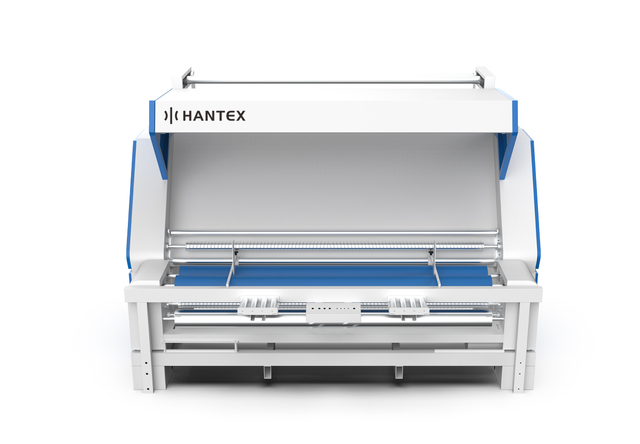
A Fabric Inspection Machine helps teams catch problems while fabric still moves in roll form. It shows the surface clearly and keeps movement stable, so defects stand out instead of hiding between folds or shadows. Operators usually look for visual, structural, and surface-related issues. These problems often start small, yet they grow expensive once fabric enters cutting or finishing.
In real production lines, machines supplied by manufacturers like Hantex Machinery focus on smooth fabric travel. This makes it easier to spot repeating defects across long rolls, not just isolated flaws.
Typical defects detected during inspection include:
● Surface issues such as stains, oil marks, color shading, or printing errors.
● Structural problems like broken yarns, holes, loose picks, or uneven weaving.
● Appearance defects including creases, edge curling, or width inconsistency.
Defect Category | Common Examples | QC Impact |
Surface defects | Stains, color variation, oil marks | Affects final appearance |
Structural defects | Holes, broken yarns, density faults | Weakens fabric strength |
Dimensional defects | Skewing, edge curl, width shift | Causes cutting inaccuracies |
Traditional visual inspection depends heavily on experience and focus. People get tired, and attention drops during long shifts. A Fabric Inspection Machine reduces these risks by controlling how fabric is presented. It keeps speed steady and tension balanced, so eyes focus on defects instead of fabric movement.
Machine-assisted inspection does not replace operators. It supports them. We see defects more clearly, judge them more consistently, and record results more reliably. This balance matters in high-volume factories where inspection speed and accuracy must move together.
Key differences in daily operation include:
● Visual inspection relies on personal judgment, which varies between shifts.
● Machine-assisted inspection standardizes viewing conditions and pacing.
● Inspection results become easier to compare across batches and orders.
Real-time monitoring turns inspection into action. As fabric passes through the Fabric Inspection Machine, defects appear immediately. Operators can slow down, stop, or mark fabric sections without waiting for reports later. This early response saves material and time.
In many Hantex inspection setups, machines support long inspection runs without constant adjustment. They help teams react fast when defects repeat, pointing to upstream issues in weaving or finishing.
Real-time intervention allows teams to:
● Isolate defective sections before fabric reaches value-added processes.
● Adjust production settings while the same batch still runs.
● Keep inspection data aligned with actual fabric position on the roll.
Once defective fabric reaches cutting, sewing, or packing, losses grow fast. A Fabric Inspection Machine works as a protective barrier. It stops defects early and keeps questionable fabric from moving forward unnoticed.
This role feels critical. Inspection machines connect quality checks directly to production decisions. When inspection links smoothly to rolling and packing equipment, fabric stays organized and approved material stays protected. Hantex Machinery designs inspection solutions to fit this flow, helping factories reduce rework and avoid costly surprises later in the process.
A Fabric Inspection Machine creates the same viewing conditions every time. It keeps speed stable, fabric flat, and lighting even, so eyes focus on defects instead of movement. We see fewer missed issues across long shifts, and they judge fabric the same way on Monday or Friday. This consistency matters when teams work in rotation and quality decisions must match.
Manufacturers using inspection solutions from Hantex Machinery value this repeatability. It helps them apply one quality standard across batches, orders, and operators.
Accuracy gains usually come from:
● Controlled fabric tension and smooth transport across the inspection zone.
● Clear visibility that reduces fatigue and judgment drift during long runs.
● Standardized inspection speed, helping operators compare defects fairly.
QC Factor | Manual Inspection | Fabric Inspection Machine |
Viewing consistency | Varies by operator | Standardized |
Fatigue impact | High over time | Reduced |
Defect repeatability | Inconsistent | Stable and repeatable |
Catching defects early saves material. When fabric moves past inspection unnoticed, losses multiply during cutting, sewing, or packing. A Fabric Inspection Machine stops that chain early. It lets teams isolate defective sections while fabric still sits in roll form.
We see fewer rejected panels, fewer remakes, and less scrap piling up. Hantex Machinery designs inspection systems to run smoothly for long rolls, helping factories protect yield and keep production plans intact.
Waste reduction shows up in daily operations:
● Less fabric sent back from downstream processes.
● Fewer emergency reworks that disrupt schedules.
● Lower material loss tied to late defect discovery.
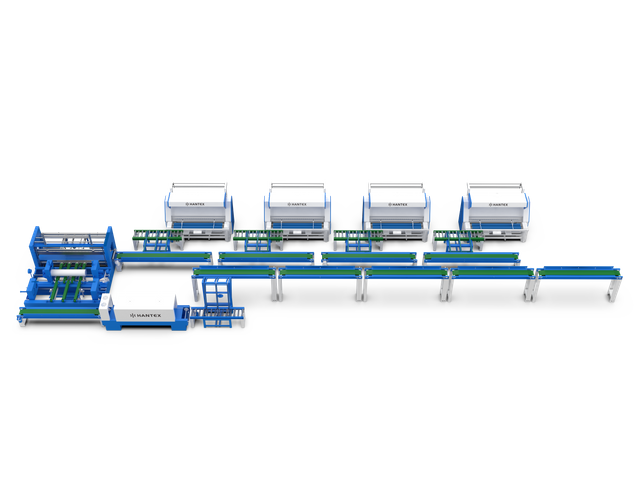
Quality grading needs clarity. A Fabric Inspection Machine helps teams grade fabric using visible, repeatable criteria instead of personal preference. They judge size, frequency, and severity the same way across shifts. This objectivity helps sales, production, and customers speak the same quality language.
When grading aligns with inspection records, disputes drop. It also becomes easier to explain quality decisions to buyers, auditors, and internal teams.
Modern Fabric Inspection Machines generate inspection records as fabric moves. These records show where defects appear and how often they repeat. Over time, patterns emerge. We spot problem zones, recurring defect types, and batch-specific issues faster than before.
Hantex Machinery supports data-driven inspection workflows. They help teams turn inspection results into usable insights instead of scattered notes.
Trend analysis helps teams:
● Track defect frequency by batch or order.
● Compare quality performance across production days.
● Focus improvement efforts where defects repeat most.
Data connects defects to process steps. When inspection shows repeating issues, teams trace them back to weaving tension, yarn quality, or finishing settings. This link shortens troubleshooting time and avoids guesswork.
Instead of reacting to complaints, teams adjust upstream processes while production still runs. It shifts quality control from correction to prevention.
Defect Pattern | Likely Source | Action Direction |
Repeating streaks | Weaving tension | Adjust loom settings |
Random oil marks | Finishing stage | Review cleaning process |
Edge distortion | Handling tension | Tune inspection transport |
Inspection data supports improvement plans. Teams test changes, then confirm results through the Fabric Inspection Machine. If defect rates drop, changes stay. If not, they adjust again. This loop builds steady improvement without disrupting output.
We see fewer surprises and more control. Inspection becomes part of process tuning, not just checking.
Customers ask for proof. Inspection records provide it. A Fabric Inspection Machine creates traceable documentation tied to rolls, batches, and orders. This transparency builds trust and speeds approvals.
For exporters and long-term partners, clear records matter. Hantex Machinery aligns inspection solutions with customer-facing quality needs, helping factories show what they inspect and how they decide.
Choosing a Fabric Inspection Machine starts by understanding what runs through the line every day. Fabric weight, width, structure, and output volume all shape the right choice. A machine suited for grey fabric inspection may need gentler handling, while woven fabrics demand tighter tension control to avoid distortion.
When production volumes rise, stability matters more than raw speed.
Manufacturers often look for machines that adapt instead of locking them into one fabric type. Hantex Machinery focuses on flexible inspection designs, allowing one Fabric Inspection Machine to handle different fabrics without constant mechanical changes.
Key matching factors teams usually review include:
● Fabric type, such as grey, woven, or finished material.
● Roll width and weight limits required in daily production.
● Inspection speed aligned with upstream and downstream processes.
Production Need | Machine Capability to Prioritize |
Mixed fabric types | Adjustable tension and speed |
Wide fabric rolls | Stable frame and support rollers |
High daily output | Continuous operation stability |
A Fabric Inspection Machine works every day, often for long hours. Reliability matters more than extra features. Teams care about smooth operation, low maintenance, and parts that last. When machines stop, inspection becomes a bottleneck.
Service support also plays a role. Hantex Machinery supports customers from setup through long-term operation. They help adjust machines to real production conditions, not just catalog settings.
Long-term value often depends on:
● Machine durability under continuous inspection cycles.
● Availability of technical support and spare parts.
● Ease of training operators and maintaining stable performance.
Inspection does not work alone. It connects to rolling, packing, and storage. When machines integrate smoothly, fabric flows without extra handling. This reduces damage risk and keeps inspected fabric organized.
A Fabric Inspection Machine designed as part of a system supports better QC decisions. Hantex Machinery develops inspection and fabric handling solutions to work together, helping factories maintain quality from inspection through shipment.
Fabric inspection plays a key role in textile quality control by catching defects early and keeping standards consistent. Hantex Machinery delivers reliable Fabric Inspection Machine solutions that add value through stable performance, flexible application, and dependable service support.
A: A Fabric Inspection Machine checks fabric surfaces during textile quality control to find defects early.
A: Automated Fabric Inspection Machines improve speed, accuracy, and consistency in textile quality control.
A: A Fabric Inspection Machine stops defective fabric before cutting or finishing, reducing rework and loss.
A: A Fabric Inspection Machine manufacturer offers service, training, and stable designs for continuous operation.
A: A Fabric Inspection Machine helps trace defect sources in weaving or finishing processes.


