- All
- Product Name
- Product Keyword
- Product Model
- Product Summary
- Product Description
- Multi Field Search
 English
 Views: 0 Author: Site Editor Publish Time: 2026-02-11 Origin: Site
What happens when fabric defects go unnoticed until cutting begins? A Fabric Inspection Machine helps stop quality problems before they spread. In this article, you will learn what a Fabric Inspection Machine does, why it matters, and how manufacturers like Hantex Machinery create value through reliable inspection solutions.
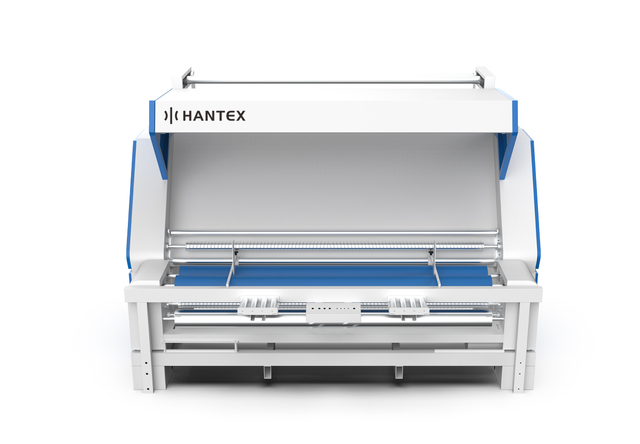
A Fabric Inspection Machine is specialized textile equipment used to examine fabric quality before cutting, sewing, or shipment. It moves fabric at a controlled speed under strong lighting, allowing defects to be seen, marked, and recorded in a consistent way.
Instead of relying on memory or guesswork, it creates a repeatable inspection process that factories can trust every day. In real production, it checks surface defects, fabric width, color variation, weft alignment, and length accuracy while the fabric is being rewound.
Key characteristics of a Fabric Inspection Machine include:
● Stable fabric feeding that prevents stretching or distortion during inspection.
● High-visibility lighting that makes small flaws easier to spot.
● Integrated measuring and marking functions that support downstream cutting and packing.
These functions work together so problems are found early, not after garments are already produced.
Manual fabric checking depends heavily on human attention, experience, and physical endurance. As production volumes increase, inspectors get tired, speeds vary, and defect standards become inconsistent.
A Fabric Inspection Machine solves this by keeping inspection speed, lighting, and tension stable throughout long shifts. It does not replace people, but it supports them by removing repetitive strain and reducing judgment errors.
Below is a practical comparison many buyers consider:
Inspection Method | Consistency Level | Speed Stability | Defect Traceability | Labor Dependence |
Manual checking | Variable | Low | Limited | High |
Fabric Inspection Machine | High | Stable | Clear markings and records | Lower |
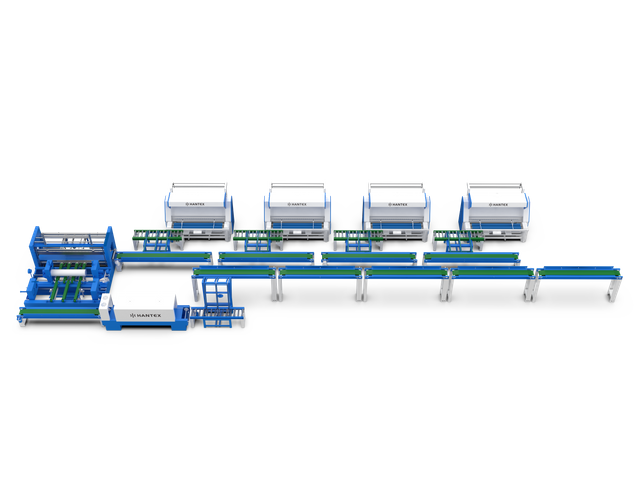
In modern textile factories, production is organized around continuous processes, not isolated tasks. A Fabric Inspection Machine fits into this system by acting as a control point between weaving, finishing, and garment making. It ensures only qualified fabric moves forward, which protects cutting accuracy and final product appearance.
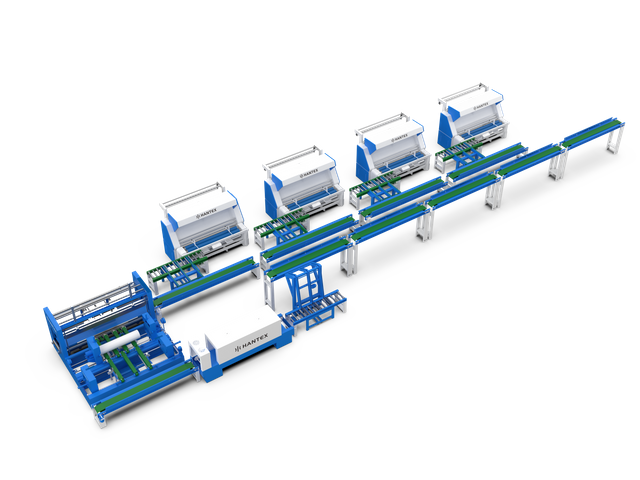
For companies using integrated finishing lines from Hantex Machinery, inspection machines align with rolling and packing equipment to keep workflow smooth and predictable.
From a production perspective, fabric inspection supports:
● Standardized quality rules across different fabric batches and shifts.
● Better planning for cutting and packing, since defects are already identified.
● Fewer customer complaints caused by hidden fabric flaws reaching the market.
Instead of slowing production, a well-chosen Fabric Inspection Machine helps factories run faster with fewer surprises.
A Fabric Inspection Machine focuses first on visible and structural defects that can affect fabric usability later. As fabric passes across the inspection table, strong lighting and controlled speed help operators spot issues early, before cutting or sewing begins. These defects often appear randomly, so consistency matters more than speed alone.
Typical defects identified during inspection include:
● Surface flaws such as holes, oil stains, broken yarns, or weaving marks. They may look small but grow into serious issues during garment cutting.
● Structural problems like uneven edges or distorted fabric paths. They affect how fabric feeds into later machines.
● Repeating defects across the roll. They signal upstream process problems rather than isolated mistakes.
By identifying these issues early, factories avoid processing fabric rolls that will fail quality checks later.
Beyond visual defects, a Fabric Inspection Machine acts as a measurement control tool. Accurate length and width data help production teams plan cutting, costing, and packing more reliably. Manual measurement often varies between operators, but automated counters keep results stable across shifts.
Measurement Item | What Is Checked | Why It Matters |
Fabric length / yardage | Total usable length on each roll | Prevents shortages during cutting |
Fabric width | Edge-to-edge consistency | Ensures pattern alignment |
Roll uniformity | Even rewinding tension | Supports smooth downstream handling |
Some fabric issues do not appear as clear defects but still cause production trouble. A Fabric Inspection Machine helps identify color variation across the roll, which can lead to shading problems in finished garments. Operators also watch for weft skew, where yarns drift diagonally instead of staying straight. This affects garment fit and appearance.
In daily operation, inspection machines also monitor fabric tension:
● Too much tension stretches fabric and changes final dimensions.
● Too little tension creates wrinkles and unstable rewinding.
● Balanced tension supports accurate inspection and later spreading.
Inspection does not end at finding problems. A Fabric Inspection Machine also marks defect locations directly on the fabric or records them for later reference. This information travels downstream, helping cutting and packing teams avoid bad sections without rechecking the entire roll.
Inspection Output | How It Is Used Downstream |
Defect marks | Skipped during cutting |
Length records | Cutting plan adjustments |
Inspection notes | Quality traceability |
When inspection, rolling, and packing equipment come from the same supplier, workflows stay smoother. That is why many manufacturers choose integrated solutions from Hantex Machinery, where inspection data connects naturally to rolling and packing stages.
In daily use, a Fabric Inspection Machine follows a simple but controlled flow. Fabric feeds smoothly from the roll, passes across the inspection area, then rewinds under steady speed. It keeps movement predictable, so operators focus on quality instead of handling problems.
Key flow elements operators rely on include:
● Stable feeding rollers that prevent fabric jump or drift during inspection.
● A flat inspection surface that keeps fabric fully visible.
● Controlled rewinding that prepares rolls for cutting or packing next.
Lighting plays a big role in how well defects show up. A Fabric Inspection Machine uses strong, even illumination so flaws appear clearly, not hidden by shadows. Operators adjust brightness based on fabric type and color. Dark fabrics need stronger contrast, while light fabrics need glare control. Good lighting helps eyes stay relaxed and improves detection accuracy over time.
Lighting Aspect | Practical Effect During Inspection |
Light intensity | Reveals small stains and broken yarns |
Light angle | Improves surface texture visibility |
Uniform coverage | Prevents missed defects across width |
Tension control keeps fabric behavior stable during inspection. Too much tension stretches fabric and changes dimensions. Too little tension causes wrinkles and uneven rewinding.
A Fabric Inspection Machine balances tension so fabric stays flat and relaxed, which matters before cutting. This balance protects final garment size and fit.
Operators watch tension closely because:
● Stable tension supports accurate length measurement.
● Even tension keeps edges straight during rewinding.
● Proper tension reduces fabric memory and distortion later.
It allows cutting teams to trust inspection results without rechecking.
Although machines handle movement, people still guide decisions. Operators mark defects, note problem areas, and record inspection data as fabric moves.
A Fabric Inspection Machine makes this easier by keeping speed steady and visibility clear. They reduce stress, not replace judgment. Inspection notes help downstream teams avoid defective sections without slowing production.
Recorded Item | How It Helps Later |
Defect position | Skipped during cutting |
Length data | Accurate cutting plans |
Inspection notes | Quality traceability |
Woven fabrics demand straight alignment and width control. A Fabric Inspection Machine for woven material focuses on edge tracking, yardage accuracy, and stable rewinding. These machines handle heavier structures without stretching yarns.
They support:
● Clear defect visibility across dense weave patterns.
● Accurate width control for pattern consistency.
● Smooth rewinding that prevents edge collapse.
Grey fabric inspection happens before dyeing or finishing. At this stage, finding defects saves time and cost later. A Fabric Inspection Machine for grey fabric checks raw cloth for weaving faults, uneven yarn tension, or surface marks. Catching these early prevents wasting dye and finishing resources.
Inspection Stage | Main Buyer Benefit |
Before dyeing | Lower rework cost |
Before finishing | Cleaner final appearance |
Early detection | Fewer downstream losses |
Knitted fabrics stretch easily and crease fast. A Fabric Inspection Machine for knits uses gentle feeding and low tension to protect fabric structure. It helps operators see holes, dropped stitches, and size variation without damaging delicate material.
They focus on:
● Tension-free handling to prevent distortion.
● Smooth rollers that reduce creasing.
● Clear visibility for elastic and fine yarns.
A Fabric Inspection Machine keeps inspection conditions steady across shifts and fabric lots. Speed stays controlled. Lighting stays even. Tension stays balanced. They help teams see the same defects every time, not different results per operator.
In lines supplied by Hantex Machinery, inspection fits naturally between weaving or finishing and cutting, so quality checks stay consistent, not rushed.
What consistency looks like in practice:
● Repeatable inspection speed across long rolls.
● Uniform lighting across full fabric width.
● Stable tension that protects fabric shape.
Many claims start from hidden fabric defects. A Fabric Inspection Machine finds problems early and marks them clearly. They prevent defective sections from reaching cutting tables or finished garments.
Manual checking slows down as fatigue sets in. A Fabric Inspection Machine keeps pace steady and reduces repetitive strain. One operator can inspect more fabric in less time, while accuracy stays high. They do not remove people. They remove wasted effort.
Factories working under ISO or internal quality rules need records. A Fabric Inspection Machine supports traceable inspection by logging defect positions and length data. They help teams follow the same rules every day, not only during audits.
Standardization benefits include:
● Clear inspection criteria.
● Repeatable results across shifts.
● Easier training for new operators.
Not all fabrics behave the same. A Fabric Inspection Machine must match fabric width, weight, and structure. Buyers often process multiple fabric types, so flexibility matters more than peak speed.
Buyer Concern | Why It Matters |
Width range | Covers future fabric orders |
Fabric type | Woven, knitted, grey cloth |
Roll size | Fits existing production flow |
Inspection runs every day. Controls must feel simple. Cleaning must feel quick. A Fabric Inspection Machine should allow fast setup, easy access to rollers, and clear adjustment points. They reduce downtime when operators can solve small issues themselves.
Machines last years, not months. A Fabric Inspection Machine must run reliably and come with strong technical support.
This is why many factories prefer experienced manufacturers like Hantex Machinery, who combine equipment supply with technical guidance.
A Fabric Inspection Machine helps factories control fabric quality before cutting and sewing. It checks defects, measures size, and keeps results consistent across production. These machines reduce waste, save labor, and support stable quality systems. Solutions from Hantex Machinery add value through reliable performance, smooth operation, and professional technical service.
A: A Fabric Inspection Machine supports textile quality control by finding defects, measuring fabric, and recording inspection data.
A: It keeps speed, lighting, and tension stable, helping Automated Fabric Inspection Machines deliver consistent inspection results.
A: Automated Fabric Inspection Machines reduce labor pressure, improve accuracy, and lower rejection risk in textile quality control.
A: Buyers check reliability, service support, and experience from a trusted Fabric Inspection Machine manufacturer.
A: A Fabric Inspection Machine helps troubleshoot defects, wrong yardage, and quality variation during textile quality control.