English
- All
- Product Name
- Product Keyword
- Product Model
- Product Summary
- Product Description
- Multi Field Search
Views: 0 Author: Site Editor Publish Time: 2025-11-10 Origin: Site
Ever wonder how textile factories ensure flawless fabric quality? Fabric defects can cause costly waste and unhappy customers. Fabric Inspection Machines solve this by automating defect detection.
These machines are vital in textile manufacturing for consistent quality control. They outperform manual inspection with speed and accuracy.
In this post, you’ll learn what Fabric Inspection Machines are, why they matter, and how they improve fabric inspection processes.
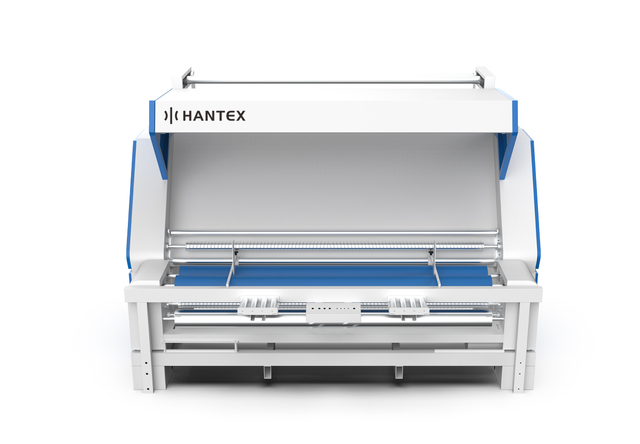
Fabric inspection machines use advanced technology to detect defects in textiles. They rely on high-resolution cameras, sensors, and sophisticated software algorithms to scan fabric rolls continuously. Cameras capture images of the fabric surface, while sensors measure dimensions like width and length. The software analyzes these images to identify irregularities such as holes, stains, knots, or weaving errors.
Many machines incorporate LED lighting systems that provide consistent illumination, eliminating shadows or dark spots that could hide defects. Some modern fabric inspection machines also use AI and machine learning to improve detection accuracy over time by learning from past inspection data.
Fabric inspection machines can identify a wide variety of defects, including:
Surface defects: stains, spots, color variations, and dirt
Structural defects: holes, tears, knots, and broken threads
Weaving or knitting errors: misaligned patterns, skipped stitches, or uneven texture
Dimensional defects: incorrect fabric width or length
Foreign fibers or inclusions: colored flecks or unwanted materials embedded in fabric
These machines detect both visible and subtle flaws that human inspectors might miss, especially under poor lighting or fatigue conditions.
Manual fabric inspection involves workers visually checking fabric laid out on tables or rollers. While this method allows for human judgment, it has several drawbacks:
Subjectivity: Different inspectors may interpret defects differently.
Fatigue: Long hours lead to missed defects due to tiredness.
Lighting issues: Uneven or dim lighting reduces defect visibility.
Slower speed: Manual checks are time-consuming, reducing production efficiency.
Inconsistent results: Quality varies depending on inspector skill and conditions.
Fabric inspection machines overcome these challenges by providing objective, consistent, and faster inspection. They operate continuously without fatigue and maintain uniform lighting conditions. The digital records they produce enable traceability and quality trend analysis, which manual methods lack.
Note: Integrating fabric inspection machines reduces human error and enhances defect detection accuracy, boosting overall product quality.
Human inspectors often face fatigue, distractions, and inconsistent lighting, which can lead to missed fabric defects. Fabric inspection machines eliminate these issues by using consistent lighting and automated scanning technology. They operate continuously without breaks or tiredness, ensuring every inch of fabric is thoroughly checked. This automation greatly reduces the chance of errors caused by human oversight, increasing overall inspection accuracy.
Meeting customer specifications is critical in textile manufacturing. Fabric inspection machines help maintain strict quality standards by detecting defects early in the production process. They identify a wide range of flaws, from small stains to weaving errors, preventing substandard fabric from progressing to the next stage. This ensures the final product matches customer expectations, reducing returns and improving satisfaction. Additionally, the machines can measure fabric dimensions precisely, verifying width and length conform to requirements.
Fabric inspection machines integrate seamlessly into broader quality management systems (QMS). They provide digital records of defects and inspection results, enabling traceability and data-driven decision-making. This data supports continuous improvement efforts by highlighting recurring issues and helping identify root causes. The machines also facilitate compliance with industry standards by ensuring fabric quality is documented and consistent. As part of a QMS, they help streamline quality control workflows, reduce manual paperwork, and improve communication between production and quality teams.
Tip: Automate fabric inspection early in production to catch defects sooner, minimizing costly rework and ensuring consistent quality throughout manufacturing.
Fabric inspection machines excel at spotting tiny flaws invisible to the naked eye. Their high-resolution cameras and sensors scan every inch, catching imperfections like minor stains, tiny holes, or subtle weaving errors. These defects often go unnoticed during manual checks due to human fatigue or poor lighting. By detecting these early, manufacturers avoid passing defective fabric to later production stages, reducing waste and rework.
Manual fabric inspection slows production, requiring workers to carefully examine long fabric rolls under bright light. This process is time-consuming and tiring. Fabric inspection machines speed up this task dramatically. They continuously scan fabric at high speeds without breaks or loss of focus. Real-time defect alerts allow quick decisions on whether to accept or reject fabric, keeping production flowing smoothly and meeting tight deadlines.
Human inspectors vary in skill, attention, and judgment, causing inconsistent quality checks. Fabric inspection machines provide uniform, objective evaluations every time. They apply the same defect criteria across all fabric batches, ensuring consistent quality standards. This consistency builds customer trust, as buyers receive fabric that meets their expectations batch after batch. Digital inspection records also support traceability and quality audits.
Tip: Regularly calibrate and maintain your fabric inspection machine to sustain high accuracy and consistent defect detection over time.
Fabric inspection machines catch defects early in the production process. Detecting flaws like holes, stains, or weaving errors before fabric moves to the next stage prevents large-scale waste. Early detection means manufacturers can cut around defects or remove faulty sections before costly processing. This proactive approach saves raw materials and reduces discarded fabric volumes. It also minimizes environmental impact by lowering textile waste. For example, a factory using automated inspection reported a 20% drop in fabric scrap, translating into significant cost savings (example data, requires verification).
Defects found late cause production delays and rework, which disrupt schedules and increase labor costs. Fabric inspection machines provide real-time monitoring, alerting operators immediately when defects appear. This quick feedback allows prompt decisions: fix, re-inspect, or reject fabric before it causes bottlenecks downstream. By minimizing stoppages, factories maintain smooth workflows and meet delivery deadlines. Automated inspection reduces the need for costly rework cycles, which often involve additional labor, energy, and materials. The result: faster turnaround times and improved customer satisfaction.
Though fabric inspection machines require upfront investment, the long-term financial benefits are substantial. Savings come from less wasted fabric, fewer production delays, and reduced labor costs. Automated inspection also lowers the risk of shipping defective fabric, preventing costly returns and lost customers. Over time, these savings accumulate, often offsetting the initial purchase price within months or a few years. Additionally, machines improve quality consistency, helping brands build reputation and customer loyalty. This steady revenue stream contributes to a strong return on investment (ROI).
Investing in fabric inspection technology also supports sustainable manufacturing goals by reducing waste and resource use. Many manufacturers find that improved efficiency and quality justify the cost, making these machines an essential part of modern textile production.
Tip: Track fabric defect data collected by your inspection machine to identify recurring issues and optimize production processes, boosting cost savings further.
Fabric inspection machines significantly cut down the need for large teams of manual inspectors. These machines automate the tedious process of scanning fabric for defects, freeing workers from repetitive and exhausting tasks. Instead of spending hours visually checking every inch of fabric, fewer staff can oversee machine operations and handle exceptions. This shift allows factories to optimize labor allocation, reducing manpower costs while maintaining or even improving inspection quality. Additionally, fewer inspectors mean less variability caused by human error or fatigue, further enhancing reliability.
Manual fabric inspection often involves repetitive motions, awkward postures, and long hours standing or bending over fabric rolls. These conditions can cause fatigue, discomfort, or even workplace injuries over time. Fabric inspection machines relieve workers from these physically demanding tasks. Operators monitor machines, interpret digital reports, and perform maintenance, which are less strenuous and more engaging activities. This improvement in working conditions leads to higher job satisfaction and lower turnover rates. Safer, more comfortable workplaces also reduce absenteeism and healthcare costs, contributing to a healthier workforce overall.
By automating fabric inspection, factories achieve faster throughput without sacrificing quality. Machines scan fabric rolls continuously at high speeds, much faster than manual checks. This acceleration keeps production lines moving smoothly, reducing bottlenecks and delays. Real-time defect alerts enable quick decisions, preventing defective fabric from slowing downstream processes. Moreover, optimized labor use means more workers can focus on other critical production areas, improving overall operational efficiency. The combined effect is higher output, better quality control, and increased capacity to meet tight delivery schedules.
Tip: Train quality control staff to operate and maintain fabric inspection machines effectively, ensuring smooth workflow and maximizing productivity gains.
Fabric inspection machines generate detailed digital reports during every inspection. These reports capture defect types, locations, sizes, and frequencies. Having this data in digital form helps quality teams track recurring problems over time. They can quickly identify patterns, such as frequent stains in a specific fabric batch or repeated weaving errors linked to a certain supplier. This level of traceability supports informed decision-making and faster corrective actions.
Digital defect tracking also makes audits and compliance checks easier. Instead of relying on manual records or memory, manufacturers can present accurate, time-stamped inspection data. This transparency builds trust with customers and partners, showing commitment to quality standards.
Modern textile factories operate with interconnected production and quality management software. Fabric inspection machines fit seamlessly into this digital ecosystem. They can transmit inspection results directly to quality management systems (QMS), enterprise resource planning (ERP) software, or manufacturing execution systems (MES).
This integration enables real-time updates on fabric quality, allowing production planners to adjust schedules or orders promptly when defects occur. It also reduces paperwork and communication delays between departments. For example, if a batch fails inspection, the system can automatically notify purchasing or production teams to take action. This connected workflow enhances efficiency and reduces errors caused by manual data entry or miscommunication.
The data collected by fabric inspection machines is a valuable resource for continuous improvement initiatives. Manufacturers can analyze defect trends to identify root causes, such as issues in weaving, dyeing, or handling processes. This insight helps target specific areas for process optimization or staff training.
Over time, quality teams can use defect data to set benchmarks and measure the effectiveness of improvement efforts. For instance, a decrease in knot defects after adjusting loom settings shows progress. Continuous monitoring also supports supplier evaluations, helping select partners who consistently provide high-quality materials.
By leveraging inspection data, manufacturers move beyond reactive fixes and adopt proactive quality management strategies. This approach reduces waste, lowers costs, and strengthens customer satisfaction.
Tip: Regularly review and analyze your fabric inspection machine's digital reports to identify defect patterns and drive targeted quality improvements.
Fabric inspection machines cater to manufacturers of all sizes. Small factories can start with compact, affordable models that fit their limited production volumes. These machines offer essential inspection features, ensuring quality without overwhelming investment. Larger manufacturers benefit from high-capacity machines designed to handle thousands of fabric rolls daily. These robust systems provide faster inspection speeds, advanced defect detection, and integration with complex production lines.
Scalability means manufacturers can upgrade or expand their inspection capabilities as their business grows. This flexibility makes fabric inspection machines a smart, long-term investment. Whether a startup or an established mill, companies can maintain consistent quality standards while optimizing costs and resources.
Artificial intelligence (AI) and machine learning (ML) are revolutionizing fabric inspection technology. Modern machines use AI algorithms to analyze fabric images more accurately than traditional methods. They learn from previous inspections, improving defect recognition over time. This adaptive capability helps detect subtle flaws like tiny stains, weaving inconsistencies, or color variations that might escape manual checks or older machines.
Machine learning also reduces false positives, minimizing unnecessary fabric rejections. AI-powered systems can classify defects by type and severity, aiding faster decision-making. Some advanced systems offer real-time feedback, allowing immediate corrective actions on the production floor.
These technologies enhance overall inspection efficiency, reduce waste, and improve product quality. As AI evolves, fabric inspection machines will become even smarter, more precise, and easier to use.
The future of fabric inspection machines looks promising, driven by continuous innovation. Emerging trends include:
Enhanced AI integration: More sophisticated algorithms will enable near-perfect defect detection and predictive quality control.
IoT connectivity: Machines will connect seamlessly to factory networks, allowing remote monitoring and control.
Cloud-based analytics: Data from inspections will be stored and analyzed in the cloud, supporting deeper insights and global quality management.
Automation expansion: Integration with robotics for fabric handling and sorting will further streamline workflows.
Sustainability focus: Machines will optimize fabric use, reducing waste and supporting eco-friendly manufacturing.
These advancements will make fabric inspection machines indispensable in textile production. They will help manufacturers meet rising quality demands, reduce costs, and stay competitive in a fast-evolving industry.
Tip: Choose fabric inspection machines with scalable features and AI capabilities to future-proof your quality control as your business grows.
Fabric inspection machines improve defect detection, speed, and consistency in textile quality control. They reduce waste, minimize delays, and boost factory productivity. Choosing the right machine ensures seamless integration and scalability for growing businesses. Advanced AI features enhance accuracy and future-proof inspection processes. Jiangsu Hantex Machinery Co. Ltd. offers reliable fabric inspection machines that deliver these benefits, supporting manufacturers in achieving higher quality and efficiency while reducing costs. Their products help optimize production and maintain competitive advantage. Service Information
A: Fabric inspection machines are automated systems that use cameras, sensors, and software to detect defects in textiles, ensuring consistent quality.
A: They provide accurate, consistent defect detection faster than manual checks, reducing human error and ensuring fabric meets customer specifications.
A: They reduce waste, minimize production delays, and improve product quality, offering long-term savings and a strong return on investment.
A: Machines offer objective, faster, and more reliable inspections without fatigue, unlike subjective and slower manual methods.
A: They identify surface stains, holes, weaving errors, dimensional issues, and foreign inclusions that might be missed manually.