English
- All
- Product Name
- Product Keyword
- Product Model
- Product Summary
- Product Description
- Multi Field Search
Views: 0 Author: Site Editor Publish Time: 2025-11-06 Origin: Site
Ever wondered how textile makers ensure flawless fabric? Fabric Inspection Machines catch defects early, saving time and money. These machines are vital for quality control in textile manufacturing.
In this post, you’ll learn what fabric inspection machines are, why they matter, and how multi-functional models boost efficiency.
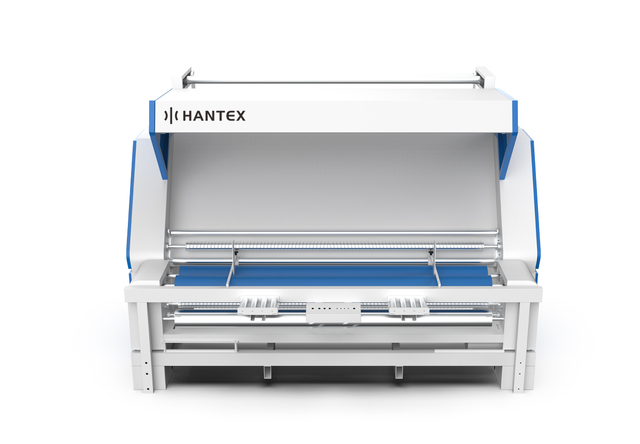
Fabric inspection machines play a critical role in ensuring fabric quality in textile manufacturing. They help detect defects early, preventing flawed materials from moving further down the production line. This early detection saves time and money by reducing waste and rework.
These machines scan fabric rolls for defects like tears, stains, uneven dyeing, or weaving faults. By catching these issues early, manufacturers maintain high quality standards and reduce customer complaints. Consistent inspections ensure that fabrics meet specifications before cutting and sewing, preserving the integrity of the final product.
Multi-functional machines combine inspection, measuring, and even fabric rolling into one system. This integration saves floor space and speeds up the process. They often feature advanced sensors and AI algorithms that detect subtle defects humans might miss. This precision improves overall product quality.
Moreover, multi-functional machines reduce manual handling, lowering the risk of damage during inspection. They enable automatic defect marking and generate detailed reports, simplifying quality control and traceability.
Using a multi-functional fabric inspection machine boosts efficiency by streamlining multiple steps into a single operation. Faster inspections mean quicker production cycles, helping manufacturers meet tight deadlines. Accurate defect detection reduces the chance of defective products reaching customers, enhancing brand reputation.
Additionally, these machines provide valuable data analytics, helping identify recurring issues and optimize supplier quality. Over time, this leads to continuous quality improvement and cost savings.
Tip: Choose a multi-functional fabric inspection machine that offers automated defect detection and reporting to enhance both efficiency and fabric quality control.
Choosing the right fabric inspection machine is crucial for textile manufacturers aiming to boost quality and efficiency. Several key factors come into play when selecting a machine that fits your production needs and budget. Let’s explore these considerations in detail.
Start by evaluating your production volume and fabric types. Do you handle a variety of fabrics like cotton, silk, or denim? Different materials may require specific inspection capabilities. Also, consider the functions you need: inspection alone, or combined measuring, cutting, and rolling? Multi-functional machines can streamline operations but may come at a higher cost. Tailor your choice to your production scale and the complexity of your processes.
Speed affects throughput and delivery times. A fast machine can inspect more fabric rolls daily, reducing bottlenecks. However, speed should not compromise inspection accuracy. Look for machines offering adjustable speeds to match different fabric types and defect detection requirements. High-speed inspection with consistent accuracy ensures you meet deadlines without sacrificing quality.
Accuracy is paramount. The machine should detect various defects such as stains, tears, uneven dyeing, or weaving faults. Advanced technologies, including AI-powered algorithms and high-resolution sensors, enhance defect detection. These technologies spot subtle flaws humans might miss, ensuring only top-quality fabric moves forward. Verify the machine’s detection sensitivity and false rejection rates before purchasing.
Fabric inspection machines endure continuous use in demanding environments. Choose models built with robust materials and components designed for longevity. A reliable machine reduces downtime and maintenance costs. Check manufacturer reputation and warranty terms. Machines backed by strong after-sales support help maintain smooth operations over time.
User-friendly interfaces and ergonomic designs simplify operator training and reduce errors. Consider machines with intuitive controls and clear defect marking systems. Maintenance should be straightforward, with accessible parts and clear service guidelines. Machines requiring minimal downtime for upkeep maximize productivity.
Balance initial investment against long-term operating costs. Higher upfront costs for advanced, durable machines may pay off through reduced waste and labor savings. Factor in energy consumption, spare parts, and software updates. Leasing options or modular machines can offer financial flexibility. Ensure the machine’s total cost aligns with your budget and expected return on investment.
Tip: Before buying, conduct a trial run or request a demo of the fabric inspection machine to evaluate speed, accuracy, and ease of use in your real production environment.
When selecting a multi-functional fabric inspection machine, understanding its essential features ensures you get the right fit for your production needs. These machines combine several capabilities, so knowing what to look for helps optimize quality control and efficiency.
Multi-functional machines often support various inspection types, such as visual defect detection, measurement, and fabric rolling. Some specialize in specific fabrics like cotton, silk, or synthetic blends, while others handle a wide range of materials. Choose a machine compatible with your fabric types to ensure accurate inspections. For example, delicate fabrics may require gentler handling and higher sensitivity to tiny defects, whereas heavy fabrics like denim need robust mechanisms to manage thickness and weight.
Production speed matters. A machine with high-throughput inspection capabilities can scan fabric rolls quickly without compromising defect detection accuracy. Adjustable speed settings allow operators to tailor the pace based on fabric type and defect sensitivity. Fast inspection reduces bottlenecks and helps meet tight deadlines. Some machines offer continuous feed systems that minimize downtime between rolls, further boosting productivity.
Modern machines integrate advanced technologies such as high-resolution cameras and AI-powered algorithms. These tools detect subtle defects like color variations, weaving faults, or tiny holes that human eyes might miss. AI systems learn from past inspections to improve accuracy over time, reducing false positives and negatives. This technology enhances quality assurance by providing consistent, objective evaluations.
Precision in defect identification is critical. Multi-functional machines use sensors and imaging systems to pinpoint defect location and type with high accuracy. Automated defect marking and reporting streamline the quality control process, making it easier to track and address issues. Accurate detection prevents defective fabric from progressing to later stages, saving costs on rework or product recalls.
Durability ensures long-term operation under continuous use in industrial environments. Look for machines built with sturdy materials and components designed to withstand wear and tear. A solid warranty offers peace of mind against defects or malfunctions. Manufacturer support, including training, maintenance services, and software updates, is vital for maximizing machine lifespan and performance.
Tip: Prioritize fabric inspection machines featuring AI-powered defect detection and adjustable speed controls to balance high throughput with precise quality assurance.
When selecting a fabric inspection machine, understanding the different types available helps make the best choice for your production needs. Each type has unique features, advantages, and limitations. Here, we compare the main types and highlight the benefits of multi-functional fabric inspection machines.
Manual Fabric Inspection MachinesThese machines require operators to visually inspect fabric rolls as they pass through. They are simple, affordable, and suitable for small-scale operations. However, manual inspection is time-consuming and prone to human error.
Semi-Automatic Fabric Inspection MachinesThese combine manual inspection with some automated functions, such as fabric rolling or defect marking. They improve speed and reduce operator fatigue but still rely on human judgment for defect detection.
Fully Automatic Fabric Inspection MachinesEquipped with sensors, cameras, and software, these machines automate the entire inspection process. They detect defects accurately, mark issues automatically, and generate reports. Ideal for high-volume production, they require less manual intervention.
Multi-Functional Fabric Inspection MachinesThese advanced machines integrate inspection, measuring, cutting, and rolling functions. They use AI-powered algorithms and high-resolution imaging to detect subtle defects. Multi-functional machines boost efficiency by consolidating multiple steps into one system.
Versatility: Handle various fabric types and inspection tasks in one machine.
Efficiency: Streamline production by combining inspection, measurement, and fabric handling.
Accuracy: Use advanced technology for precise defect detection, reducing false positives and negatives.
Space-Saving: Replace multiple machines, saving valuable factory floor space.
Data Integration: Often compatible with digital quality management systems for seamless data collection and analysis.
| Machine Type | Speed | Accuracy | Ease of Use |
|---|---|---|---|
| Manual | Slow | Variable | Moderate |
| Semi-Automatic | Moderate | Improved | Moderate |
| Fully Automatic | Fast | High | Easy |
| Multi-Functional | Very Fast | Very High | User-Friendly |
Multi-functional machines offer the highest speed and accuracy while maintaining user-friendly interfaces. They enable operators to manage inspections with minimal training.
Small-Scale Operations: Compact manual or semi-automatic machines fit limited spaces but may limit throughput.
Medium to Large-Scale Operations: Fully automatic and multi-functional machines vary in size from moderate to large. Choose models that fit your floor space and production volume.
Portability: Some smaller multi-functional machines offer mobility for flexible factory layouts.
Durability depends on build quality and manufacturer reputation. Multi-functional machines are typically designed for heavy industrial use, featuring robust components and long service intervals. Manual and semi-automatic machines may require more frequent maintenance due to mechanical wear and operator handling.
Tip: When comparing fabric inspection machines, prioritize multi-functional models that balance speed, accuracy, and ease of use to maximize production efficiency and fabric quality control.
Integrating a digital Quality Management System (QMS) with fabric inspection machines is a game-changer for textile manufacturers. It not only streamlines inspection processes but also enhances overall product quality and operational efficiency.
A digital QMS automates and standardizes fabric inspections. It replaces manual record-keeping and spreadsheets, which are often error-prone and inefficient. This system ensures consistent quality checks across all production stages, from pre-production to final inspection. It also provides real-time visibility into inspection results, helping teams make faster, data-driven decisions.
One of the biggest advantages of digital QMS is its flexibility. You can configure workflows tailored to your fabric types and inspection needs. For example, you might set different inspection criteria for cotton versus synthetic fabrics or create workflows for random sampling, full roll inspections, or Acceptable Quality Limit (AQL) checks. This customization helps maintain consistent standards throughout the supply chain.
Digital systems automatically log every defect found during inspections, including details like defect type, location on fabric, time, and batch number. This automation reduces human error and saves time. Moreover, performance analytics track defect trends over time, revealing recurring issues with specific suppliers or fabric lots. Such insights enable proactive quality improvements and better supplier management.
A digital QMS centralizes all inspection data, comments, and documents in one place. This central hub improves communication between quality teams, production managers, and suppliers. Everyone stays updated on inspection statuses, defect resolutions, and quality milestones. It also simplifies audits and compliance by keeping detailed records accessible.
Data analytics unlocks powerful insights from inspection data. It helps identify root causes of defects, optimize inspection processes, and predict potential quality risks. Over time, manufacturers can reduce waste, improve fabric quality, and enhance customer satisfaction. Analytics also support continuous improvement initiatives by providing objective, evidence-based feedback.
Tip: Choose a fabric inspection machine that seamlessly integrates with a digital QMS to automate defect logging, enable configurable workflows, and leverage data analytics for continuous quality improvement.
Maintaining your fabric inspection machine properly is essential to keep it running smoothly and efficiently. Regular care prevents breakdowns and ensures high-quality inspections every time. Here are some practical tips for maintaining and maximizing your machine’s efficiency.
Start with a regular cleaning schedule. Dust, lint, and fabric debris can accumulate on sensors, cameras, and moving parts, affecting performance. Use soft brushes or compressed air to clean delicate components gently. Lubricate mechanical parts according to the manufacturer's instructions to reduce wear and tear. Regularly check belts, rollers, and electrical connections for signs of damage or loosening. Scheduling preventive maintenance helps catch small issues early, avoiding costly repairs and downtime.
Well-trained operators are key to efficient machine use. Provide comprehensive training on machine operation, safety protocols, and troubleshooting common problems. Skilled operators can adjust settings properly, handle fabrics gently, and recognize early signs of malfunction. Encourage operators to follow best practices, such as loading fabric correctly and avoiding sudden stops or jams, which can damage the machine.
Adjust machine settings to match fabric type and inspection requirements. For example, delicate fabrics may need slower speeds and softer tension, while sturdy materials can handle faster processing. Experiment with lighting, camera focus, and sensitivity to improve defect detection accuracy. Optimizing these settings reduces false detections and speeds up inspection cycles, balancing thoroughness and productivity.
Modern fabric inspection machines often come with automation features like automatic defect marking, roll measuring, and data logging. Use these features to reduce manual work and human error. Integrate your machine with digital quality management systems to centralize defect data and generate reports automatically. Automation streamlines workflows, allowing your team to focus on quality decisions rather than repetitive tasks.
Stay informed about new technologies in fabric inspection. Manufacturers continually improve machines by adding AI-powered defect detection, enhanced sensors, and smarter software. Upgrading your machine’s software or hardware can boost accuracy and speed without replacing the entire unit. Attend industry events, read trade publications, and maintain good communication with your machine supplier to learn about updates and training opportunities.
Tip: Implement a scheduled maintenance plan and invest in operator training to ensure your fabric inspection machine delivers consistent, high-quality performance and maximizes production efficiency.
Choosing the right fabric inspection machine requires careful evaluation of your production needs, speed, accuracy, and durability. Investing in high-quality, multi-functional machines enhances efficiency and ensures precise defect detection. This leads to better product quality and long-term cost savings. Researching and selecting machines tailored to your specific fabric types and workflows is essential. Jiangsu Hantex Machinery Co., Ltd. offers advanced fabric inspection solutions that deliver reliable performance and valuable features to optimize your textile manufacturing. Service Information
A: Fabric Inspection Machines are used to detect defects in fabric rolls such as tears, stains, and weaving faults, ensuring high-quality textile production.
A: They combine inspection, measuring, and rolling functions, speeding up processes and reducing manual handling.
A: Accurate detection prevents defective fabric from reaching customers, saving costs and maintaining brand reputation.
A: Price depends on functions, durability, technology like AI, and maintenance requirements.
A: Regular cleaning, operator training, and optimizing settings help maximize efficiency and machine lifespan.