English
- All
- Product Name
- Product Keyword
- Product Model
- Product Summary
- Product Description
- Multi Field Search
Views: 0 Author: Site Editor Publish Time: 2025-11-27 Origin: Site
Ever wonder how textile factories catch fabric defects early? Fabric Inspection Machines play a vital role in ensuring quality. These machines detect flaws to prevent faulty fabric from reaching production.
In this post, you’ll learn what fabric inspection machines are, why they matter, and how automated inspection works. Discover how these machines improve textile quality and efficiency.
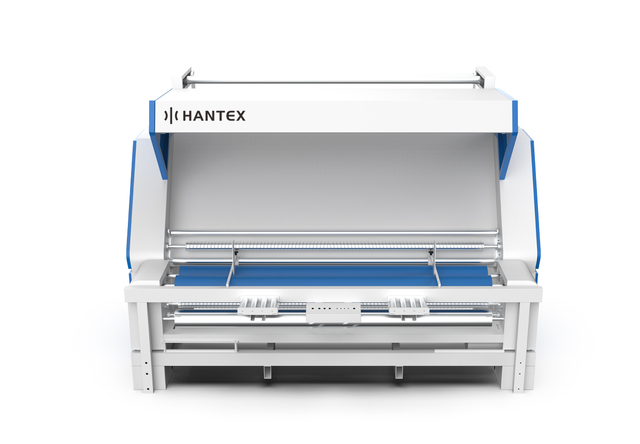
A fabric inspection machine consists of several essential parts that work together to check fabric quality efficiently:
Unwinding system: Holds the fabric roll and feeds it smoothly into the machine.
Guide rollers: Keep the fabric aligned and prevent skewing during inspection.
Illumination system: Provides bright, even lighting to reveal defects clearly.
Inspection table or drum: The surface or roller where fabric is spread out for examination.
Marking system: Marks defects on fabric for later removal or repair.
Rewinding system: Rolls the fabric back after inspection.
Control panel: Allows operators to adjust speed, lighting, and other settings.
Loading fabric: The operator places the fabric roll on the unwinding system.
Feeding fabric: The fabric passes through guide rollers to stay straight.
Illumination: Bright lights shine on the fabric to highlight any flaws.
Visual inspection: Either a human inspector or automated sensors check the fabric as it moves.
Defect marking: When flaws are found, the machine or operator marks them with chalk or stickers.
Rewinding: The fabric rolls back onto a roll for storage or further processing.
Defect logging: Defects are recorded for quality control and decision-making.
Fabric inspection machines identify many common defects, including:
Holes or tears: Breaks in fabric threads.
Stains or spots: Discolorations or dirt on fabric.
Weaving faults: Missing threads, knots, or uneven weaving.
Color variations: Uneven dyeing or color mismatches.
Slubs: Thick or thin yarn spots causing texture irregularities.
Misprints: Errors in printed fabric designs.
Skew or bow: Fabric distortion causing edges not to align properly.
These machines help catch defects early, preventing poor-quality fabric from reaching garment production.
Tip: Regularly check guide rollers’ alignment to prevent fabric skew, ensuring accurate defect detection and smooth fabric feeding.
Fabric inspection machines play a crucial role across various stages of textile production. They ensure fabric quality and consistency, which are vital for producing high-standard textile products. Here’s how these machines are applied in different textile processes and industries:
Fabric inspection machines are widely used to check fabric quality after weaving, dyeing, and printing processes. After weaving, the machine inspects the fabric for weaving faults like missing threads or knots. During and after dyeing, it detects color variations or stains that could affect the fabric’s appearance. For printed fabrics, the machine helps identify misprints or pattern misalignments. This early detection prevents defective fabric from moving forward in production, saving time and cost.
Accurate measurement of fabric width is essential for proper garment cutting and sewing. Fabric inspection machines measure the width continuously as the fabric rolls through, ensuring it meets specifications. They also detect color differences, which might occur due to uneven dyeing or printing. Another critical check is for the weft slope, which refers to the angle of the woven threads. If the weft slope is off, it can cause fabric distortion during garment making. The machine flags these issues so corrections can be made before further processing.
Fabric inspection machines are indispensable in garment and shoe factories, knitting mills, and weaving mills. In garment factories, they ensure fabric defects are marked and removed before cutting, reducing waste and improving final product quality. Shoe factories rely on fabric inspection to maintain consistent material quality for uppers and linings. Knitting mills use these machines to check for holes, stains, or uneven knitting patterns. Weaving mills use inspection machines during fabric rewinding and yardage measurement to maintain fabric standards before shipping or further processing.
Overall, fabric inspection machines help maintain quality control throughout the textile supply chain, from raw fabric production to finished goods manufacturing. Their use reduces defects, improves efficiency, and supports consistent product quality.
Tip: Regularly calibrate fabric inspection machines to ensure accurate measurement of fabric width, color, and weft slope for consistent quality control.
Fabric inspection machines bring several advantages to textile production. They help improve product quality, reduce human error, and ensure defective fabrics are removed before garment manufacturing.
Fabric inspection machines provide consistent, objective checks on fabric quality. They catch defects like holes, stains, or color variations early. This helps manufacturers maintain uniform product standards. When defects are detected and marked accurately, fabric quality improves across production batches. Standardized inspection ensures customers receive textiles meeting expected quality levels. It also boosts brand reputation by reducing returns or complaints due to faulty fabric.
Manual fabric inspection is time-consuming and prone to mistakes due to fatigue or oversight. Automated fabric inspection machines take over repetitive checking tasks. They operate continuously at steady speeds, providing thorough and reliable inspections. This reduces the need for large inspection teams and lowers labor costs. Machines also minimize human bias or inconsistency in identifying defects. Operators can focus on handling exceptions or machine maintenance instead of scanning every inch of fabric. This leads to more efficient workflows and fewer inspection errors.
Detecting and removing defective fabric before garment cutting prevents waste and rework downstream. Fabric inspection machines mark defects clearly on the fabric roll, signaling where material should be discarded or repaired. This prevents faulty fabric from entering cutting lines, where it could cause costly production delays or poor-quality garments. Early defect removal also improves yield by allowing manufacturers to plan around flawed sections. Overall, fabric inspection machines help maintain high-quality standards from fabric intake to finished product.
Tip: Train operators to interpret defect markings accurately to ensure defective fabric is removed effectively before garment production.
Fabric inspection machines are vital in textile production, but like any equipment, they face common issues. Proper maintenance ensures smooth operation and accurate fabric inspections. Here are some frequent problems and how to address them:
Fabric skew happens when the fabric shifts sideways during inspection, causing misalignment. This usually occurs because guide rollers are not parallel. To fix this, adjust the guide rollers so they align perfectly with the fabric path. Proper alignment keeps fabric straight, ensuring accurate defect detection and preventing fabric waste.
Uneven cloth rolls can cause wrinkles or tension issues, affecting inspection quality. This usually results from misaligned cloth rolls or guide rollers. Adjusting the cloth roll and guide roller parallelism helps achieve neat, even rolling. Regular checks prevent fabric distortion and maintain inspection precision.
Transmission parts can become clogged with dust, fabric fibers, or oil buildup. This leads to sluggish machine operation or breakdowns. Clean these parts regularly to remove debris and apply appropriate lubricants. Also, ensure all transmission components are installed correctly. Routine cleaning and maintenance extend machine life and keep it running smoothly.
Excessive machine noise often signals worn parts, loose screws, or poor machine smoothness. It may also stem from gaps in transmission shafts causing vibrations. To resolve this, regularly lubricate moving parts, tighten screws, and replace damaged components. Proper installation and timely part replacement reduce noise and prevent further damage.
Stagnation or jerky movement during fabric rolling can be caused by worn bearings, bent shafts, or poor cooperation between parts. Inspect bearings and shafts for damage or bending. Replace faulty bearings and correct shaft deflections to restore smooth fabric feeding. Addressing these problems prevents fabric damage and machine downtime.
Tip: Schedule regular maintenance checks focusing on guide roller alignment, transmission cleanliness, and part wear to ensure consistent fabric inspection accuracy and machine longevity.
Selecting the right fabric inspection machine is crucial for ensuring efficient quality control and meeting production needs. Several factors come into play when making this decision, along with understanding the differences between manual and automated machines and evaluating quality versus price.
Fabric Type and Width: Different machines suit various fabric types—woven, knitted, or non-woven—and widths. Make sure the machine can handle your fabric specifications.
Inspection Speed: Faster machines improve productivity but may cost more. Balance speed with inspection accuracy.
Defect Detection Technology: Some machines use visual sensors, others rely on human inspectors. Automated defect recognition offers consistency but can be pricier.
Ease of Use and Maintenance: Choose machines with intuitive controls and accessible parts for easy upkeep.
Marking and Reporting Features: Machines that mark defects clearly and generate inspection reports help streamline production.
Budget Constraints: Consider total cost of ownership, including maintenance and consumables, not just the purchase price.
Space and Installation Requirements: Ensure the machine fits your workspace and integrates with existing production lines.
| Feature | Manual Inspection | Automated Inspection |
|---|---|---|
| Accuracy | Depends on inspector skill; prone to errors | Consistent, objective detection |
| Speed | Slower; limited by human fatigue | Faster; runs continuously at set speeds |
| Labor Requirement | High; requires trained inspectors | Lower; fewer operators needed |
| Cost | Lower upfront | Higher initial investment |
| Defect Marking | Manual chalk or stickers | Automated marking systems |
| Data Reporting | Limited; manual records | Digital logs and analytics |
Manual inspection suits small-scale or budget-limited operations. Automated machines work best for large-scale production needing consistent quality and efficiency.
Build Quality: Look for robust frames, quality rollers, and reliable transmission parts to avoid frequent breakdowns.
Inspection Accuracy: Test defect detection capabilities on your fabric types before buying.
After-Sales Support: Check for warranty, spare parts availability, and technical support.
User Reviews and Brand Reputation: Research feedback from similar textile businesses.
Total Cost of Ownership: Include maintenance, consumables, and potential downtime costs.
Customization Options: Machines adaptable to your specific production needs add value.
Energy Efficiency: Machines consuming less power reduce long-term expenses.
Request demos or trial runs to see the machine in action. This hands-on approach helps assess if it meets your quality standards and workflow.
Tip: Prioritize fabric inspection machines offering easy guide roller adjustments and clear defect marking to maximize inspection accuracy and reduce fabric waste.
Fabric inspection machines are evolving rapidly thanks to automation and artificial intelligence (AI). Modern machines use AI-powered cameras and sensors to detect defects more accurately than ever before. These systems learn from vast amounts of data, improving their ability to spot subtle flaws like tiny holes, color inconsistencies, or weaving errors. Automation reduces reliance on human inspectors, speeding up the inspection process while maintaining high accuracy. Some machines now even classify defects automatically, helping operators decide whether fabric should be repaired or discarded.
AI technology also enables real-time feedback, allowing immediate adjustments during production. This proactive approach minimizes fabric waste and boosts overall efficiency. As AI algorithms become more sophisticated, fabric inspection will become smarter, faster, and more reliable.
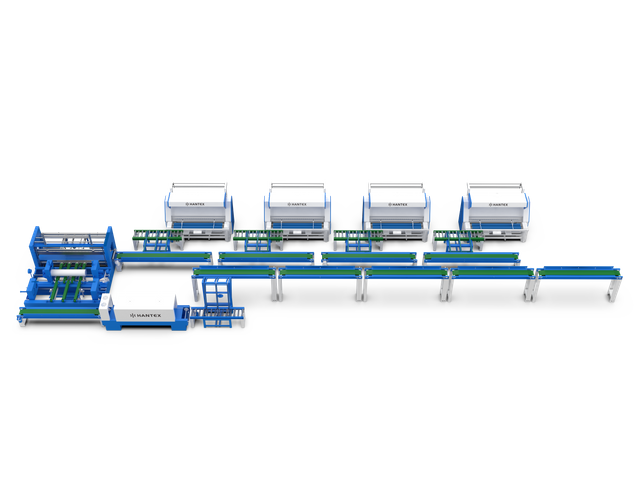
Fabric inspection machines are increasingly integrated with entire production lines and quality control (QC) systems. This connectivity helps manufacturers monitor fabric quality continuously from weaving to finishing. Data collected by inspection machines can be linked to factory management software, providing detailed reports on defect types, locations, and frequencies.
Such integration supports predictive maintenance of machines and better decision-making in production scheduling. For example, if a certain fabric batch shows repeated defects, the system can alert operators to investigate upstream processes like dyeing or weaving. This seamless flow of information enhances transparency and traceability, which are crucial for meeting industry standards and customer expectations.
Moreover, integration allows automated sorting and grading of fabric rolls based on inspection results. This reduces manual handling and speeds up downstream processes like cutting and sewing.
Sustainability is a growing focus in textile production, and fabric inspection machines contribute significantly. By catching defects early, these machines prevent faulty fabric from entering production, reducing waste and resource consumption. Efficient inspection processes also lower energy use by optimizing machine speeds and minimizing downtime.
Newer models incorporate energy-saving components such as LED lighting and low-power motors. Some machines are designed for easy maintenance and longer lifespans, reducing the need for frequent replacements. Additionally, data from inspections help manufacturers optimize fabric usage, cutting down on scrap material.
Sustainability efforts also include reducing chemical waste by ensuring consistent dyeing quality through accurate color inspections. This reduces re-dyeing cycles and chemical runoff.
Overall, fabric inspection machines are becoming greener and more cost-effective, aligning with global trends toward sustainable manufacturing.
Tip: Invest in fabric inspection machines featuring AI-based defect detection and seamless integration with your production line to enhance quality control and operational efficiency.
Fabric inspection machines improve textile production by detecting defects early and ensuring fabric quality. Proper maintenance and careful selection optimize machine performance and accuracy. Adopting these machines boosts efficiency, reduces waste, and guarantees consistent product standards. Jiangsu Hantex Machinery Co., Ltd. offers reliable fabric inspection solutions designed to enhance quality control and support sustainable manufacturing. Their advanced machines provide precise defect detection and easy operation, adding great value to textile businesses. Service Information
A: Fabric inspection machines are used to detect defects like holes, stains, and color variations in fabric rolls to ensure quality before garment production.
A: They unwind fabric, illuminate it for defect visibility, use guide rollers for alignment, and mark flaws while rewinding the fabric for further processing.
A: These machines improve product quality, reduce human error, and help remove defective fabric early, saving time and costs in textile production.
A: Prices vary based on automation level, speed, and features; manual machines cost less, while automated ones with AI are more expensive but offer higher accuracy.
A: Adjust the guide rollers to ensure they are perfectly aligned, preventing fabric distortion and ensuring accurate defect detection.