English
- All
- Product Name
- Product Keyword
- Product Model
- Product Summary
- Product Description
- Multi Field Search
Views: 0 Author: Site Editor Publish Time: 2025-11-03 Origin: Site
Ever wondered how textile factories ensure flawless fabric quality? Fabric inspection machines are key to this process. They detect defects quickly and accurately.
Fabric inspection is vital for maintaining high standards and avoiding costly errors. These machines streamline quality control and speed up production.
In this post, you’ll learn what fabric inspection machines are, why they matter, and how they boost manufacturing efficiency.
Fabric inspection machines play a crucial role in textile manufacturing by ensuring fabric quality and boosting production efficiency. Let's explore their components, the types of fabrics inspected, advanced features, and the integration of AI and machine learning.
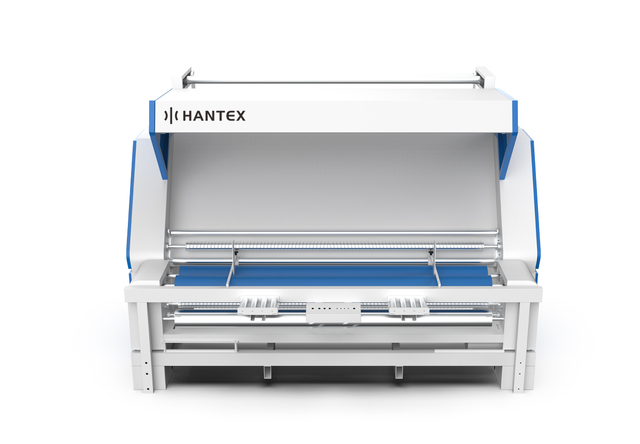
At the core, a fabric inspection machine consists of:
Fabric feeding system: Unrolls fabric smoothly for inspection.
Lighting system: Provides uniform illumination to reveal defects.
Magnifying lenses or cameras: Enhance visibility of fabric surface details.
Inspection surface: A flat or curved area where fabric passes for examination.
Defect detection sensors: Electronic devices that identify irregularities.
Control panel: Operates the machine and adjusts settings.
Data collection unit: Records inspection results for analysis.
The fabric moves steadily across the inspection surface, illuminated by bright, consistent light sources. Operators or automated sensors scan the fabric for defects such as holes, stains, or color inconsistencies. Advanced machines use cameras combined with image processing software to detect flaws automatically.
Fabric inspection machines accommodate a wide range of textile materials, including:
Woven fabrics: Made by interlacing warp and weft threads.
Knitted fabrics: Created by interlooping yarns.
Natural fibers: Cotton, wool, silk, linen.
Chemical fibers: Polyester, nylon, acrylic, and other synthetic fibers.
Each fabric type may require specific handling or lighting adjustments to optimize defect detection. For example, silk's sheen demands different lighting than matte cotton.
Modern machines incorporate several advanced features to enhance inspection accuracy and efficiency:
Light sources: LED or fluorescent lights with adjustable intensity and color temperature.
Magnifying lenses and high-resolution cameras: Provide detailed views of fabric surfaces.
Electronic defect detection: Sensors and image analysis software identify and classify defects automatically.
Automatic roll stop sensors: Pause inspection when the fabric roll ends, facilitating continuous operation.
Computerized data analysis: Generates reports and statistical insights on fabric quality.
These features reduce human error, speed up inspection, and provide objective, consistent results.
Cutting-edge fabric inspection machines leverage artificial intelligence and machine learning to further improve performance:
Defect grading: AI algorithms classify defects by severity, helping prioritize quality control efforts.
Pattern recognition: Machine learning models identify recurring defect patterns to assist root cause analysis.
Adaptive inspection: Systems learn from past inspections to enhance detection accuracy over time.
Real-time feedback: AI provides instant alerts to operators about fabric quality issues.
This smart technology aligns fabric inspection with Industry 4.0 trends, enabling manufacturers to optimize quality control and production efficiency.
Tip: When selecting a fabric inspection machine, prioritize models with AI-powered defect detection and customizable lighting to ensure accurate inspection across diverse fabric types.
Fabric inspection machines inspect fabrics much faster than manual methods. While humans can tire and slow down, machines maintain a consistent speed, scanning fabric rolls quickly and thoroughly. This speed allows manufacturers to process larger volumes of fabric in less time, significantly reducing production bottlenecks. For example, some modern machines can inspect fabric at speeds up to 120 meters per minute, far surpassing manual inspection rates.
Manual fabric inspection requires continuous focus, leading to fatigue and potential errors. Automated machines reduce reliance on human labor, minimizing fatigue-related mistakes. Operators can monitor multiple machines or focus on other tasks, boosting overall productivity. Automation also helps resolve labor shortages common in the textile industry, ensuring steady production without interruptions.
Fabric inspection machines support continuous fabric processing by unrolling and rewinding fabric rolls seamlessly. Features like automatic roll stop sensors detect roll ends, pausing inspection to join new rolls without delay. This continuous operation avoids downtime and keeps production lines moving efficiently. High-speed cameras and sensors capture defects in real time, enabling rapid identification and correction without slowing the workflow.
Faster, automated fabric inspection shortens production turnaround times. Early defect detection prevents delays caused by rework or scrap. Manufacturers can deliver finished products quicker, improving customer satisfaction and responsiveness to market demands. Streamlined inspection also reduces waiting times between production stages, allowing textile mills to increase throughput and meet tight deadlines.
Tip: Choose fabric inspection machines with automatic roll stop sensors and high-speed defect detection to maximize continuous processing and reduce production delays.
Quality control is vital in textile manufacturing. Fabric inspection machines play a key role in ensuring fabric meets high standards by detecting defects early and consistently.
Fabric inspection machines identify a wide range of defects, including:
Stains: Dirt, oil, or dye spots that affect fabric appearance.
Holes: Tears or missing threads compromising fabric integrity.
Color differences: Uneven dyeing or fading across the fabric.
Irregularities: Uneven weaving, knots, or texture variations.
These machines use bright, uniform lighting and high-resolution cameras or sensors to reveal even subtle flaws that might escape the human eye. This thorough detection prevents defective fabric from advancing to later production stages.
Manual inspection depends on human judgment, which can vary due to fatigue, distraction, or experience level. Fabric inspection machines provide objective, repeatable assessments by using electronic sensors and image processing software. This consistency ensures every meter of fabric is evaluated under the same conditions, eliminating subjective errors and improving overall quality control reliability.
Modern fabric inspection machines collect detailed data on defect types, locations, and frequencies. This quantifiable information enables manufacturers to:
Track quality trends over time.
Identify recurring issues linked to specific production lines or materials.
Make data-driven decisions to improve processes.
Such analytics support continuous quality improvement and help reduce defect rates systematically.
By catching defects early, fabric inspection machines reduce the likelihood of faulty fabric reaching customers. This leads to fewer product returns, lower rejection rates by downstream processors, and diminished customer complaints. Ultimately, it enhances brand reputation and customer satisfaction, which are critical in competitive textile markets.
Tip: Implement fabric inspection machines with automated defect classification and data reporting features to maintain consistent quality and support continuous improvement efforts.
Fabric inspection machines offer significant cost savings and economic advantages for textile manufacturers. By catching defects early, reducing waste, lowering labor costs, and delivering long-term returns, these machines contribute to a more profitable production process.
Detecting fabric defects early prevents costly reprocessing and material losses downstream. When flaws such as stains, holes, or color inconsistencies are found during inspection, manufacturers can address them before further processing. This early intervention avoids spending time and resources on defective fabric that would require rework or scrapping later. For example, identifying a dyeing issue before cutting or sewing saves significant labor and material costs.
Fabric inspection machines help minimize waste by ensuring only quality fabric moves forward. Defective fabric is identified and removed promptly, reducing the quantity of unusable material. This efficient screening lowers scrap rates and maximizes fabric utilization. Over time, less waste translates into substantial raw material savings, which is critical given fluctuating textile costs.
Automating fabric inspection reduces reliance on manual labor, cutting labor expenses. These machines operate continuously at high speeds, requiring fewer operators to monitor multiple units. Automation also reduces fatigue-related errors common in manual inspection, improving accuracy and decreasing the need for costly re-inspections. Manufacturers can redeploy labor to higher-value tasks, enhancing overall operational efficiency.
Though fabric inspection machines require upfront investment, they provide strong long-term returns. Savings from reduced waste, fewer defects, lower labor costs, and faster production cycles accumulate over time. Additionally, improved product quality reduces returns and customer complaints, protecting brand reputation and revenue. Many textile manufacturers report payback periods within a few years, making fabric inspection machines a smart financial choice.
Tip: To maximize cost savings, select fabric inspection machines featuring early defect alert systems and automation that reduce labor needs and material waste.
Manual fabric inspection relies heavily on human eyes and judgment. Inspectors look closely at fabric rolls to spot defects like stains, holes, or color inconsistencies. However, this method faces several challenges:
Subjectivity: Different inspectors may judge defects differently, leading to inconsistent results.
Fatigue: Continuous inspection tires inspectors, causing missed defects or slower work.
Slow speed: Manual inspection is time-consuming, limiting production throughput.
Difficult data tracking: Results are often recorded manually, making quality analysis and reporting inefficient.
Labor costs: Requires many skilled workers, increasing operational expenses.
These issues can cause delays, higher defect rates, and increased costs.
Automated fabric inspection machines address these challenges effectively. Here’s how they improve the inspection process:
Consistency: Machines apply uniform standards, eliminating subjective errors.
Speed: They inspect fabric at high speeds, often over 100 meters per minute, accelerating production.
Reduced labor: Fewer operators are needed, lowering labor costs and reducing fatigue.
Accurate defect detection: Advanced sensors and cameras detect subtle flaws missed by humans.
Data collection: Automated systems record detailed inspection data for analysis and quality control.
Continuous operation: Features like automatic roll stop sensors enable seamless fabric processing without interruptions.
These benefits lead to higher productivity, better fabric quality, and cost savings.
The textile industry is embracing Industry 4.0, integrating digital technologies to enhance manufacturing. Automated fabric inspection machines play a vital role in this transition by:
Incorporating AI and machine learning: These technologies improve defect detection accuracy and enable defect grading.
Connecting to factory networks: Machines share data in real time for centralized monitoring and decision-making.
Enabling predictive maintenance: Sensors detect machine wear and alert operators before breakdowns occur.
Supporting flexible production: Machines adapt inspection parameters quickly for different fabric types or quality standards.
By adopting smart inspection technology, textile manufacturers can increase efficiency, reduce waste, and maintain high quality amid evolving market demands.
Tip: When upgrading, choose automated fabric inspection machines with AI capabilities and seamless data integration to maximize quality control and align with Industry 4.0 goals.
Modern fabric inspection machines come packed with features designed to boost efficiency, accuracy, and ease of use. These features help manufacturers maintain high quality while speeding up production.
One essential feature is the ability to inspect the entire fabric width at once. This full-width inspection ensures no defects near the edges go unnoticed. Edge control systems keep the fabric aligned correctly throughout inspection, preventing wrinkles or misfeeds that could hide flaws. Precise edge control also helps produce uniform fabric rolls, essential for downstream processes like cutting or printing.
Automatic roll stop sensors detect when a fabric roll ends and pause the inspection process instantly. This feature allows operators to join the next roll without stopping the machine manually. Continuous inspection becomes possible, reducing downtime and maintaining steady production flow. It also minimizes fabric handling errors during roll changes, preserving fabric quality.
Modern machines collect detailed inspection data, including defect types, locations, and frequencies. This data is analyzed by built-in software to generate reports and quality statistics. Manufacturers can track trends, identify recurring issues, and make data-driven improvements. Computerized reporting also supports compliance with industry standards and customer requirements.
Fabric inspection machines handle various fabric presentations, such as roll-to-roll or continuous feed. Flexible input and output options accommodate different production lines and fabric types. Tension control systems maintain consistent fabric tightness during inspection, preventing stretching or slack that could cause false defect detection. Proper tension also ensures smooth fabric movement, improving inspection accuracy.
Tip: When selecting a fabric inspection machine, prioritize models offering full-width inspection, automatic roll stop sensors, and advanced data analysis to maximize production efficiency and quality control.
Fabric inspection machines increasingly use AI and machine learning to classify defects by severity. These systems analyze images and sensor data to grade flaws automatically, helping prioritize quality control efforts. Over time, they learn from past inspections, improving accuracy and reducing false alarms. This means manufacturers can quickly focus on critical issues, saving time and resources.
Advances in sensor technology boost inspection precision. High-resolution cameras, multispectral imaging, and 3D sensors detect subtle defects invisible to the naked eye. These sensors capture detailed fabric surface information, enabling early identification of stains, holes, or color inconsistencies. Enhanced lighting combined with sensor data ensures consistent inspection across different fabric types, reducing errors and missed defects.
The textile industry faces labor shortages, making automation vital. Fabric inspection machines now perform continuous, high-speed inspections with minimal human intervention. Automated roll joining, tension control, and defect marking reduce operator workload. This allows fewer workers to oversee multiple machines, lowering labor costs while maintaining high throughput. Automation also reduces fatigue-related mistakes common in manual inspection.
Sustainability is a growing concern in textiles. Fabric inspection machines contribute by reducing waste through early defect detection, preventing defective fabric from progressing. This minimizes scrap and resource consumption. Accurate inspection helps manufacturers optimize fabric usage and avoid costly reprocessing. Additionally, smart machines can integrate with production systems to monitor environmental impact, supporting greener manufacturing practices.
Tip: Invest in fabric inspection machines featuring AI-powered defect grading and advanced sensors to enhance accuracy, automate workflows, and support sustainable textile production goals.
Fabric inspection machines significantly enhance production efficiency and quality control in textile manufacturing. They speed up inspection, reduce labor costs, and ensure consistent defect detection. Investing in advanced technology, including AI and automation, helps manufacturers stay competitive and meet Industry 4.0 standards. These machines also support sustainable practices by minimizing waste. Jiangsu Hantex Machinery Co., Ltd. offers innovative fabric inspection solutions that deliver reliable performance and valuable data insights, driving productivity and quality improvements in textile production. Service Information
A: Fabric inspection machines are devices used in textile manufacturing to detect defects and ensure fabric quality through automated scanning and analysis.
A: They speed up inspection, reduce labor fatigue, enable continuous fabric processing, and shorten turnaround times by detecting defects early.
A: They reduce waste, lower labor costs, improve quality control, and provide long-term cost savings through early defect detection.
A: Prices vary by features and automation level; investing in AI-powered machines offers better ROI despite higher initial costs.
A: Problems include sensor misalignment or lighting inconsistencies; regular calibration and maintenance ensure accurate defect detection.
A: Machines offer faster, more consistent, and objective inspections, reducing errors and labor dependency compared to manual methods.