
- All
- Product Name
- Product Keyword
- Product Model
- Product Summary
- Product Description
- Multi Field Search
 English
 Views: 0 Author: Site Editor Publish Time: 2025-12-12 Origin: Site
Denim is more than just a fabric; it’s a symbol of durability and style. The sought-after “vintage hand feel” gives denim a worn-in look that many crave. But how do brands achieve this effect without years of wear?In this article, you will learn how continuous tumble dryers help create this vintage feel, ensuring consistent, high-quality finishes every time.
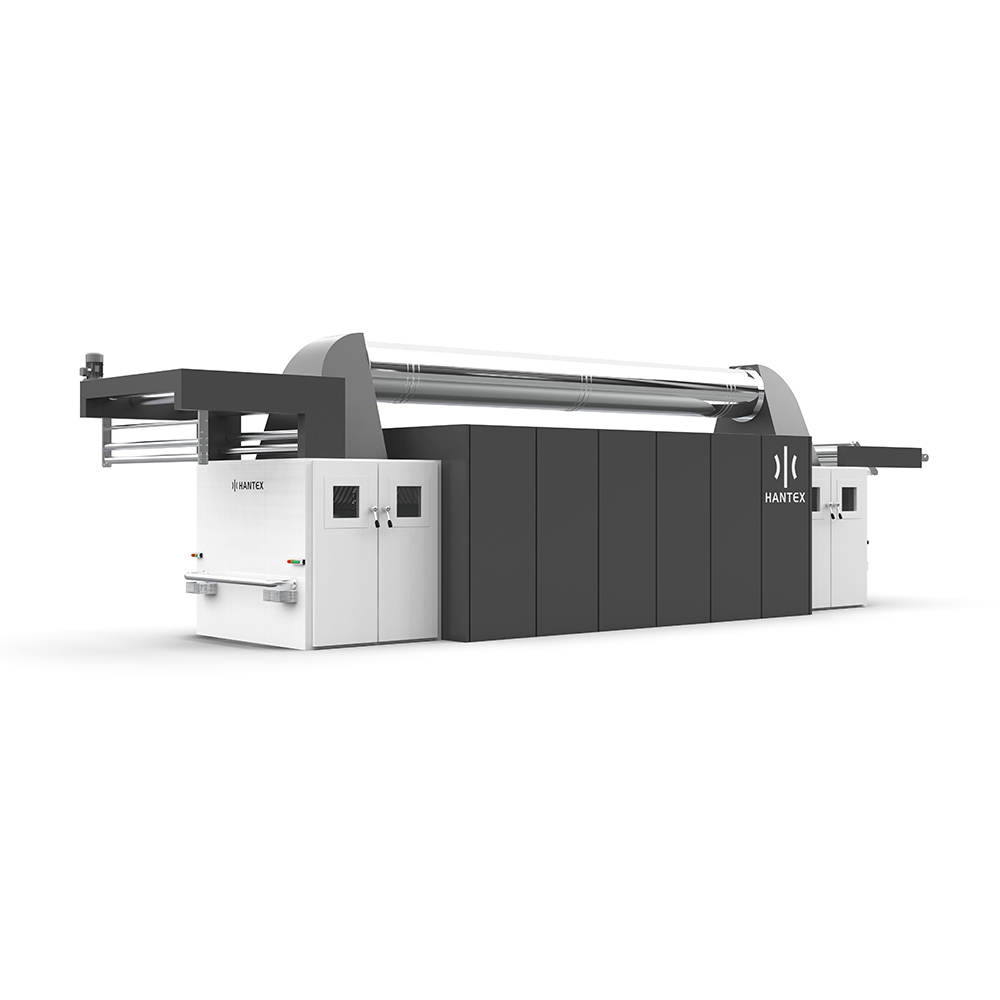
Denim finishing is the final stage in denim manufacturing where the fabric undergoes processes that enhance its look and feel. These processes are designed to make the denim softer, more visually appealing, and often to create specific textures that mimic wear over time.
Common types of denim finishes include:
● Stone-washing: Using pumice stones to create a faded, worn appearance.
● Sandblasting: A technique that uses pressurized air to create a distressed look.
● Acid-washing: Involves a chemical treatment that gives denim a bleached appearance.
● Softening: Softens denim to give it a worn, comfortable feel.
Each of these finishes has a unique effect on the fabric, but when combined with the right drying techniques, the results can be taken to the next level.
Denim naturally ages over time as it's subjected to repeated washing, friction, and wear. This process is accelerated during finishing treatments to mimic years of use in a matter of hours. The key elements that influence aging are:
● Abrasion: Friction causes the fibers to break down, creating a softer, more textured feel.
● Friction: Both mechanical processes like tumble drying and manual actions like wearing the jeans contribute to fabric wear.
● Exposure to washing: Washing causes the indigo dye to fade, contributing to the vintage look.
By replicating this process through continuous tumble dryers for denim, manufacturers can achieve a consistent and natural-looking aged effect.
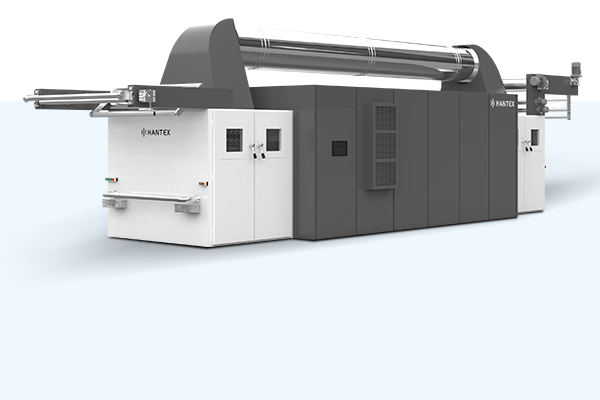
A continuous tumble dryer is a large-scale drying system that is designed to handle industrial-sized batches of fabric. Unlike traditional batch dryers, which process denim in discrete loads, continuous dryers work by moving fabric through a continuous system of tumbling and drying.
These dryers are particularly effective for textiles like denim because they provide consistent heat and airflow, which are essential for achieving an even finish. The continuous nature of the process also helps to reduce downtime, improving overall efficiency.
Continuous tumble dryers are equipped with advanced mechanisms that contribute to the creation of a soft, worn-in look on denim. These machines use a combination of heat, rotation, and airflow to simulate natural aging. Here's how each factor plays a role:
● Heat: The warmth softens the fibers, making them more pliable and giving them that worn-in texture.
● Rotation: The tumbling action simulates the wear-and-tear of everyday use, creating a natural fade in color and softening of the fabric.
● Airflow: The airflow within the dryer helps to evenly distribute heat and ensure that the denim is not exposed to any overly concentrated hot spots, preventing over-drying and damage.
The continuous tumble dryer for denim ensures that these processes are applied uniformly, giving each piece of denim the same high-quality finish.
Using continuous tumble dryers in denim finishing offers several key advantages:
1. Time Efficiency: These machines can process large batches of denim more quickly than traditional dryers, significantly reducing production time.
2. Uniformity: The continuous nature of the drying process ensures that every piece of denim receives the same treatment, resulting in consistent finishes across entire batches.
3. Capacity: Continuous dryers can handle high volumes of denim, making them ideal for manufacturers that need to process large quantities efficiently.
These benefits make continuous tumble dryers a valuable tool in denim finishing, particularly when striving for high-quality, vintage-like results.
One of the most critical factors in achieving the perfect vintage feel with tumble dryers is temperature control. The right temperature ensures that denim fibers soften without causing damage.
Ideal temperature ranges typically fall between 120°F and 140°F (49°C to 60°C). At this temperature, denim achieves a soft, comfortable feel without over-softening or breaking down the fibers. Excessive heat can cause fibers to degrade, leading to brittle fabric that may tear or lose its desired softness.
Here’s a table that compares the effects of different temperature and drying times on denim finishes:
Temperature Range | Drying Time | Effect on Denim | Risks of Incorrect Settings |
120°F - 130°F (49°C - 54°C) | 30 - 45 minutes | Achieves a soft, worn-in feel with slight fading | If too long, it may cause excessive fading |
130°F - 140°F (54°C - 60°C) | 20 - 30 minutes | Provides an ideal vintage hand feel with a balanced texture | Over-drying could result in fabric damage (brittleness) |
Above 140°F (60°C) | 10 - 20 minutes | Quick drying, but may soften too much or cause damage | Excessive softness or fabric breakdown |
Below 120°F (49°C) | 45 - 60 minutes | Creates a mild, less worn-in look | Insufficient drying may lead to a stiff texture |
Both dryer time and rotation speed play crucial roles in the texture and feel of the finished denim.
● Dryer time: If the denim is over-dried, it can become too soft or lose its structural integrity. Optimal drying time ensures the denim remains durable yet soft.
● Rotation speed: A faster rotation can accelerate the softening process, but it must be balanced with drying time to prevent over-exposure to heat.
Finding the right balance of both ensures that denim achieves the vintage feel without compromising its quality.
Softening agents are often used in denim finishing to enhance the softness of the fabric. These agents work by coating the fibers to give them a smoother feel. When used with continuous tumble dryers, softening agents can be applied evenly across large batches of denim.
Types of softening agents include:
● Silicone-based softeners: These create a smooth, silky feel.
● Fatty acid-based softeners: These mimic the feel of well-worn denim by adding a natural, slightly waxy finish.
Using the right agent at the correct stage in the tumble drying process ensures optimal results.
Excessive drying can lead to fiber damage, leaving the denim overly soft or prone to tearing. Overdrying can also cause the fabric to lose its shape.
Signs of overdrying include:
● Brittle texture
● Unnatural softness
● Fading that is too extreme
It’s important to monitor the drying time and temperature to prevent these issues.
Setting the temperature too high or too low can significantly impact the denim’s finish. Too high a temperature can cause fibers to break down, while too low a temperature may prevent the fabric from achieving the desired softness and aging effect.
The right temperature for denim is crucial in balancing softness and durability, so adjustments should be made based on the desired final look.
Pre-washing denim before tumble drying is essential to remove any residual chemicals or starch. Untreated denim can result in uneven fading or unexpected textures when it’s dried.
Always ensure that denim is pre-treated to remove any excess finish before starting the tumble drying process.
Industrial tumble dryers, especially continuous models, can consume a lot of energy. The drying process requires consistent heat and airflow, which can lead to high energy costs.
However, energy-efficient continuous tumble dryers are helping to reduce the environmental impact by using advanced technology to minimize energy use while maintaining optimal performance.
As environmental concerns grow, many manufacturers are adopting sustainable practices in denim finishing. These include:
● Water recycling in denim washing.
● Eco-friendly softeners and chemicals.
● Energy-efficient tumble dryers that reduce overall environmental footprint.
These practices ensure that denim production becomes more sustainable while still achieving the desired high-quality finish.
Several denim brands are leveraging continuous tumble dryers for their finishing processes. Brands like Levi's and Wrangler have used these dryers to create consistent, high-quality vintage finishes in large-scale operations.
These case studies show how effective continuous tumble dryers are in producing large quantities of denim with the same premium look and feel.
As technology advances, continuous tumble dryers for denim are becoming more efficient, offering better temperature control, energy savings, and faster drying times.
The future of denim finishing will likely see even more automation and smarter dryers that can adjust their settings based on fabric type and desired finish.
Achieving the "vintage" hand feel in denim is an art form that requires precision and the right technology. Continuous tumble dryers are at the forefront of this process, offering the consistency and efficiency that denim manufacturers need to meet market demands. By focusing on factors like temperature control, drying time, and the use of softening agents, manufacturers can create denim that feels as if it has been worn for years. As technology evolves, the future of denim finishing promises even more sustainable and efficient solutions for achieving the perfect vintage finish.This innovative technology is manufactured and sold by Hantex, a leading provider of advanced textile finishing equipment.
A: A continuous tumble dryer is an industrial drying system that processes denim fabric in a continuous flow. It uses heat, rotation, and airflow to achieve a soft, vintage hand feel on the fabric. By using a continuous tumble dryer for denim, manufacturers can replicate natural aging effects quickly and efficiently, providing consistent results across large batches.
A: Using a continuous tumble dryer for denim helps achieve a uniform vintage hand feel across every piece of denim. The dryer offers time efficiency, reduces production time, and ensures consistent quality. It’s an essential tool for large-scale operations looking to deliver high-quality, aged denim finishes.
A: The primary benefits of a continuous tumble dryer for denim include faster drying times, consistent vintage finishes, and the ability to process large batches efficiently. It also improves the overall texture and softness of denim, reducing the need for additional softening treatments.
A: Unlike traditional dryers, a continuous tumble dryer for denim operates in a continuous process, making it more efficient for handling large volumes of fabric. It also provides more consistent heat and airflow, ensuring uniform finishes across batches, which traditional dryers may struggle to achieve.


