
- All
- Product Name
- Product Keyword
- Product Model
- Product Summary
- Product Description
- Multi Field Search
 English
 Views: 0 Author: Site Editor Publish Time: 2025-12-12 Origin: Site
When it comes to fabric care, softness is key to making clothes feel comfortable. Achieving the perfect softness during drying is essential for both consumers and industrial users. One crucial tool in this process is the continuous tumble dryer, which creates the "Aero Finish" that enhances fabric texture.
In this article, you will learn how continuous tumble dryers work, the science behind their softening capabilities, and why they are essential for long-lasting fabric care.
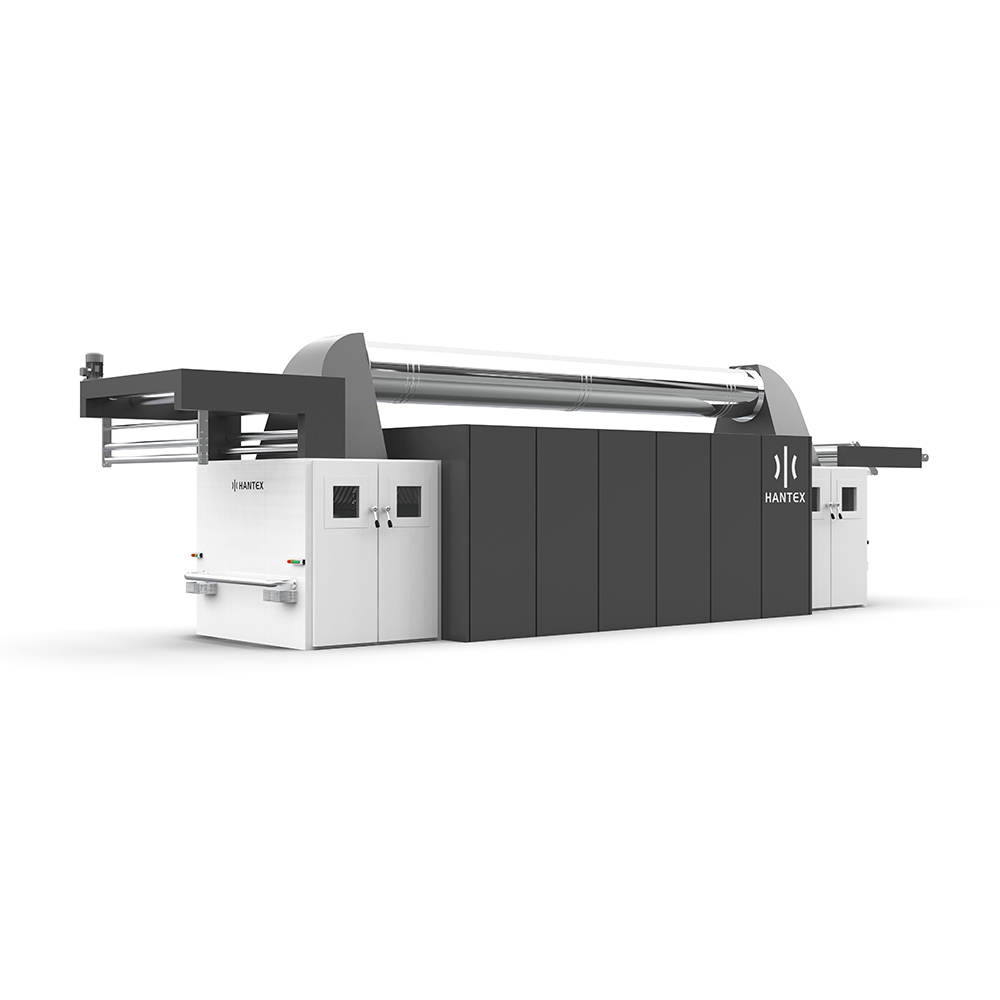
The term "Aero Finish" describes the ultra-soft texture and smooth feel that fabrics develop when subjected to a carefully controlled drying process. This effect is often sought after in industries like clothing manufacturing and textile care. The primary goal is to reduce stiffness in fabrics, making them feel softer and more pliable. For example, if you’ve ever felt that soft, cloud-like texture in high-quality towels or soft cotton garments, that’s the "Aero Finish" in action.
Softening is not just about making fabrics feel good; it has practical benefits. Softer fabrics are more comfortable to wear, less prone to irritating the skin, and generally last longer. For manufacturers, maintaining fabric softness ensures higher product quality, leading to increased customer satisfaction. For consumers, softer clothes often translate to better experiences during daily wear.
Fabric softening isn’t magic—it’s science. The process involves heat, moisture, and mechanical action. Heat loosens fibers, moisture swells them, and mechanical action (like tumbling in a dryer) helps loosen the fibers even further. The combination of these elements results in fabrics that feel smoother, more pliable, and softer.
A continuous tumble dryer operates by tumbling fabric inside a heated drum, while air flows over the material. As the dryer runs, it continuously circulates warm air to remove moisture from fabrics. This process, combined with the constant tumbling action, helps break down fiber stiffness and promotes softening.
To achieve the best results, continuous tumble dryers rely on a few key components:
● Airflow System: Ensures the fabric receives constant exposure to warm air, promoting moisture evaporation.
● Temperature Control: Proper temperature regulation prevents overheating and ensures fabrics don’t get damaged.
● Drum Action: The tumbling action is crucial for breaking down fabric stiffness and achieving a soft texture.
Compared to traditional drying methods, continuous tumble dryers offer several advantages. The most significant benefit is the ability to process large volumes of fabric consistently and efficiently. Traditional dryers may rely on static conditions and limited airflow, which can lead to uneven drying and insufficient softening. Continuous tumble dryers, on the other hand, provide a dynamic environment that optimizes fabric softening.
Heat is a critical factor in softening fabrics. Continuous tumble dryers use regulated temperatures to raise the fabric’s temperature without causing damage. As heat loosens the fibers, it allows them to relax, reducing stiffness. The result? A fabric that feels softer to the touch and has an enhanced texture.
The tumbling action in continuous tumble dryers plays a key role in achieving the Aero Finish. As fabrics are constantly tumbled, they experience gentle friction that helps to loosen fibers and smooth out wrinkles. This consistent motion helps create the soft, airy feel that is characteristic of the Aero Finish.
Not only do continuous tumble dryers soften fabrics, but they also help preserve their integrity. By reducing fiber damage, they prevent wear and tear that can shorten the lifespan of garments. In comparison, traditional dryers can often cause fibers to break down more quickly, leading to rougher, stiffer fabrics over time.
Modern continuous tumble dryers often come with various settings to adjust the drying process according to the fabric type. From delicate to heavy-duty fabrics, these settings allow for precise control over heat and tumbling action. For instance, cotton fabrics may benefit from higher heat settings for maximum softness, while synthetic fabrics may require lower temperatures to avoid damage.
Fabric Type | Recommended Dryer Setting | Temperature Range | Drying Time | Softness Result |
Cotton | Medium to High Heat | 120-140°F (49-60°C) | 30-40 minutes | Soft and fluffy |
Wool | Low to Medium Heat | 90-110°F (32-43°C) | 20-30 minutes | Smooth and soft |
Synthetic (Polyester, Nylon) | Low Heat | 80-100°F (27-38°C) | 20-25 minutes | Soft with less shrinkage |
Towels (Heavy) | High Heat | 140-160°F (60-71°C) | 40-50 minutes | Thick, soft, and fluffy |
Delicates (Silk, Lace) | Very Low Heat | 70-90°F (21-32°C) | 15-20 minutes | Gentle softness, no damage |
When compared to traditional softening techniques, such as line drying or using chemical fabric softeners, the Aero Finish produced by continuous tumble dryers offers a more uniform, lasting result. While chemical softeners can leave behind residues that can damage fibers over time, tumble dryers provide a natural, mechanical softening effect that is both gentle and effective.
One of the standout benefits of continuous tumble dryers is their ability to provide consistent results. Whether you're drying a single load or a high volume of fabric, the dryer operates efficiently, ensuring that each fabric receives the same level of softness. This is particularly beneficial for industrial operations where high-output fabric softening is required.
Despite their large capacity, continuous tumble dryers can be surprisingly energy-efficient. With improved airflow and optimized drying cycles, these dryers can use less energy compared to traditional machines. Over time, this translates to significant cost savings for both businesses and consumers.
Continuous tumble dryers are versatile. They can handle a wide variety of fabrics, from cotton to synthetic blends, delivering excellent softening results across the board. This adaptability makes them a preferred choice for textile manufacturers and laundry services.
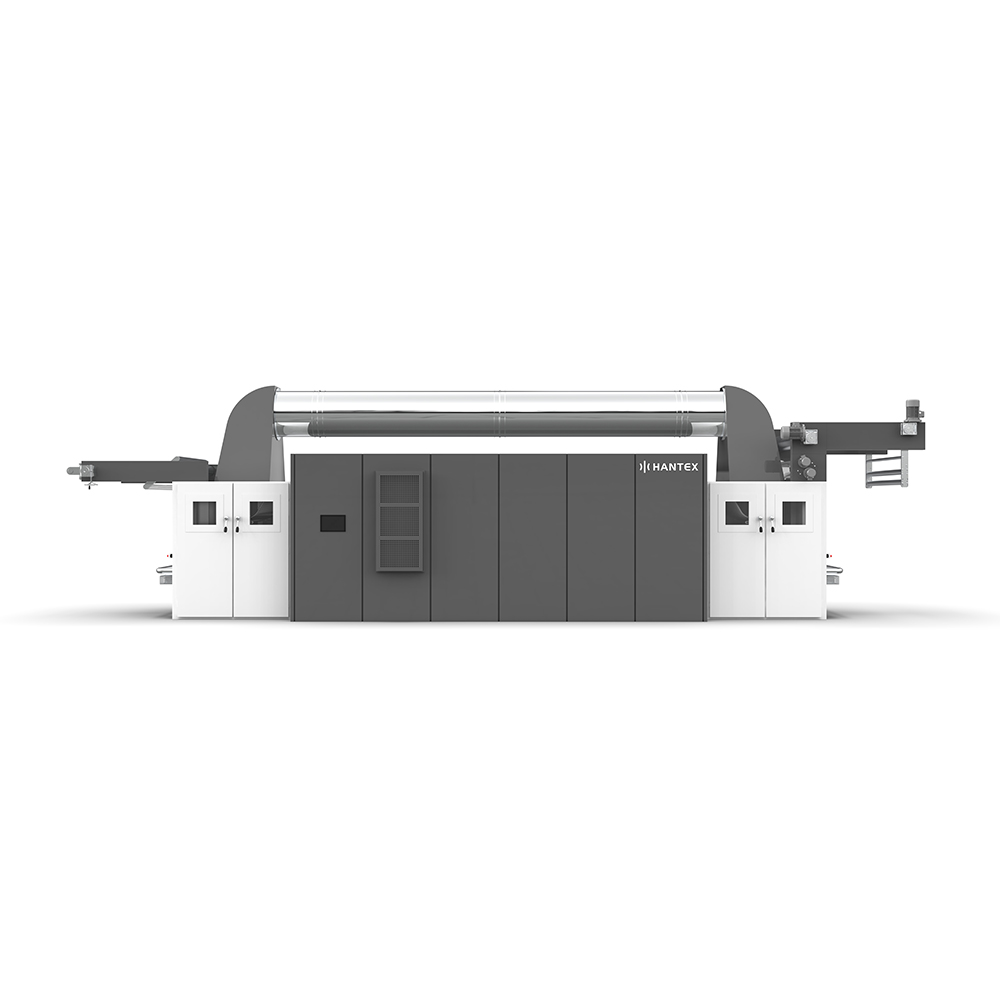
While continuous tumble dryers are generally reliable, improper settings can lead to overheating, which can damage sensitive fabrics. It’s essential to monitor dryer settings carefully and avoid using excessively high heat for delicate materials.
To achieve the best Aero Finish, it’s important to adjust the settings of your continuous tumble dryer according to the fabric. For example, heavier fabrics like towels can be dried at higher temperatures, while delicate fabrics may require a gentler drying cycle to maintain softness without damage.
Routine maintenance is key to ensuring the longevity and efficiency of continuous tumble dryers. Cleaning the lint filter regularly, checking for blockages in the airflow system, and ensuring the drum is free from damage can all contribute to better performance and consistent fabric softening results.
In conclusion, continuous tumble dryers are indispensable tools for achieving the "Aero Finish"—a softness that enhances the texture and feel of fabrics. Whether you're a consumer looking to maintain your clothes or an industrial operator managing large volumes of fabric, understanding how these dryers work and adjusting settings accordingly can lead to consistently soft results. With their energy efficiency, versatility, and ability to soften a variety of fabrics, continuous tumble dryers are a must-have for any fabric care routine.
Companies like Hantex , a specialist in textile finishing machinery, play a crucial role in providing high-quality solutions for the industry. They offer a range of advanced machines, including continuous tumble dryers, fabric packing machines, and tuber slitting machines. Focused on research and development, product quality, and providing complete solutions, Jiangsu Hantex is committed to delivering top-tier machinery for global customers, ensuring excellent results in fabric softening and finishing processes.
A: The "Aero Finish" refers to a smooth, soft texture that fabrics achieve when treated with a continuous tumble dryer. This process uses controlled heat and tumbling action to break down fabric stiffness, resulting in a more comfortable and breathable feel.
A: A continuous tumble dryer softens fabrics by using a combination of heat and mechanical tumbling action. The warm air loosens the fibers, while the constant movement helps smooth and relax them, leading to a soft and pliable texture.
A: Continuous tumble dryers provide consistent, efficient results, ensuring fabrics achieve the "Aero Finish" with minimal wear and tear. They also offer better energy efficiency and can process large volumes of fabrics, making them ideal for both home and industrial use.
A: Regular maintenance of a continuous tumble dryer includes cleaning the lint filter, checking airflow systems for blockages, and ensuring the drum is in good condition. These steps help maintain optimal performance and consistent fabric softening.


