
- All
- Product Name
- Product Keyword
- Product Model
- Product Summary
- Product Description
- Multi Field Search
 English
 Views: 0 Author: Site Editor Publish Time: 2025-12-12 Origin: Site
In the competitive textile industry, improving fabric quality and production efficiency is crucial. One key solution to this challenge is the Continuous Tumble Dryer, which ensures fast and effective fabric drying. Another critical system, the Stenter Finishing Line, plays an important role in fabric stretching and heat-setting. In this article, we will explore how integrating these two systems can streamline production and enhance fabric quality. You will learn about the benefits of this integration and how it can optimize textile manufacturing operations.

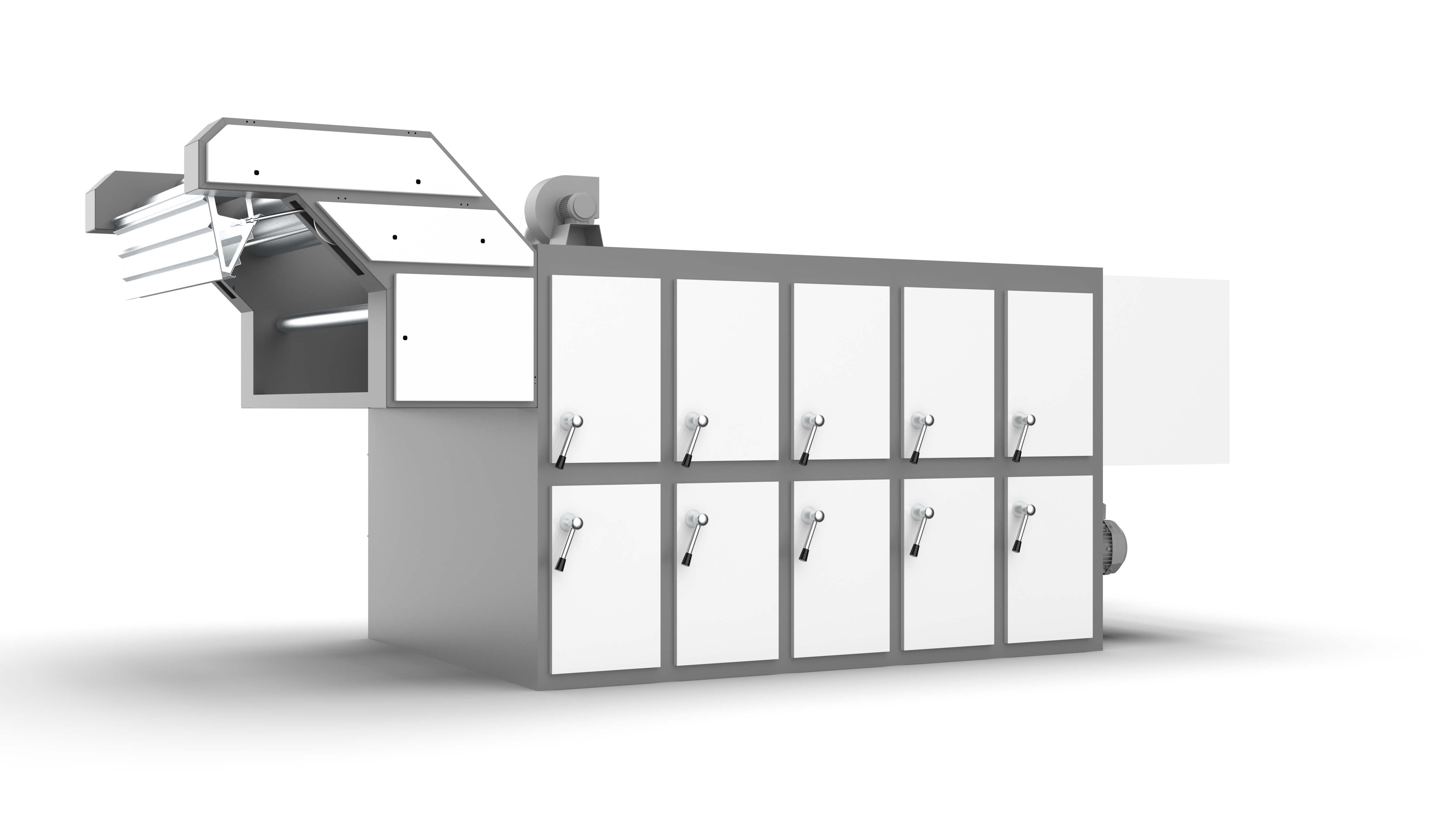
A Continuous Tumble Dryer is a highly efficient system used to dry fabrics continuously as they pass through the machine. Unlike traditional batch dryers, which handle small amounts of fabric at a time, continuous tumble dryers provide a steady, uninterrupted flow of fabric through a drying chamber. This system allows textiles to dry evenly, quickly, and without the need for frequent stops.
The dryer works by tumbling fabrics inside a heated chamber while hot air circulates around the material. This process speeds up the evaporation of moisture, ensuring that fabrics are dried uniformly. It's a key step in textile production, especially in industries where high throughput and efficiency are essential.
Benefit | Description |
Enhanced Drying Efficiency | Continuous operation reduces drying time, increasing throughput and reducing energy consumption. |
Reduced Energy Consumption | Advanced heat recovery systems reduce energy costs by improving thermal efficiency. |
Improved Fabric Quality | Prevents fabric damage and maintains the fabric’s texture and finish, ensuring higher-quality outputs. |
A variety of fabrics are processed in Continuous Tumble Dryers, including:
● Cotton: Cotton fabrics benefit from the uniform drying provided by these systems, preventing shrinkage and damage.
● Polyester: Synthetic fibers like polyester require precise temperature control during drying to preserve their texture and finish.
● Blended Fabrics: Fabrics made from blends of cotton and synthetic fibers also rely on continuous tumble drying for consistent quality.
By processing different types of fabrics, the Continuous Tumble Dryer ensures that various materials are treated optimally, maintaining fabric quality while increasing throughput.
A Stenter Finishing Line is a key piece of equipment used in the textile industry to finish fabrics. This system primarily involves stretching the fabric to its desired width and then heat-setting it to maintain dimensional stability. It also plays a crucial role in ensuring the fabric has a smooth, even texture.
The stenter frame holds the fabric as it moves through the finishing process. The fabric is exposed to heat, which sets the fibers in place, ensuring dimensional stability. This system is commonly used for woven and knitted fabrics, and its role in maintaining fabric stability and quality is indispensable.
Component | Function |
Tenter Frame | Stretches the fabric horizontally, ensuring it retains the correct width during finishing. |
Heat Chambers | Provide heat to set the fabric fibers in place, ensuring stability and preventing shrinkage. |
Control Systems | Monitor and regulate temperature, speed, and tension, ensuring precise processing and high-quality output. |
A Stenter Finishing Line improves fabric quality by providing:
● Uniform Fabric Width: The tenter frame ensures that the fabric retains a consistent width, preventing uneven stretching during processing.
● Dimensional Stability: Heat setting the fabric ensures that it maintains its size and shape after finishing, preventing post-production shrinkage.
● Smooth Surface Finish: The heat treatment and tension control contribute to a smooth, even fabric finish, enhancing the overall appearance of the textile.
Integration of the Continuous Tumble Dryer with the Stenter Finishing Line is crucial to ensure smooth, efficient textile processing. Both systems rely on proper coordination in terms of timing and fabric handling. As the fabric moves through the dryer, it must be in optimal condition to transition seamlessly into the stenter line for finishing.
Efficient synchronization ensures that fabric drying is completed just in time for finishing, avoiding delays and bottlenecks in production.
The integration process occurs in stages, starting with wet fabric entering the Continuous Tumble Dryer. The fabric is dried thoroughly in this stage, and once dried, it is immediately directed to the Stenter Finishing Line for further processing.
Integration Point | Description |
Temperature Control | Both systems require precise temperature control to avoid fabric damage and ensure the best results. |
Airflow Management | Proper airflow is essential to prevent fabric shrinkage or stretching during drying and finishing. |
Fabric Handling | Continuous tumble dryers ensure that the fabric remains in good condition, allowing smooth handling as it moves from one system to the other. |
The integration of these two systems can present challenges, such as:
● Drying Rate Mismatch: The drying rate in the tumble dryer may not always align with the processing speed of the stenter line. To address this, advanced control systems can adjust the drying process to match the stenter line's pace.
● Fabric Handling Issues: Proper handling and transport of fabric between the two systems is vital. Using automated fabric guides and rollers can ensure smooth transitions and prevent fabric damage.
Integrating a Continuous Tumble Dryer into your Stenter Finishing Line can dramatically increase productivity by minimizing downtime and speeding up the entire textile finishing process. This integration streamlines operations, allowing manufacturers to process more fabric in less time.
Advantage | Description |
Reduced Downtime | Continuous fabric flow reduces the need for manual intervention, cutting down on production delays. |
Cost Savings | Energy-efficient dryers and optimized operations help lower overall production costs. |
By integrating these systems, fabric handling becomes more consistent, reducing the risk of damage during transitions. The Continuous Tumble Dryer ensures that fabrics are evenly dried, preventing issues that might arise if drying and finishing are handled separately.
Advantage | Description |
Reduced Fabric Damage | Proper fabric handling results in fewer defects, ensuring high-quality outputs. |
Improved Consistency | Integration ensures fabric quality remains uniform throughout the drying and finishing processes. |
The integration of Continuous Tumble Dryers into the Stenter Finishing Line also helps meet sustainability goals:
Benefit | Description |
Energy Efficiency | Continuous dryers are more energy-efficient compared to traditional batch dryers, reducing energy costs. |
Water Conservation | The efficient drying process reduces the need for excessive water use, supporting sustainable textile production practices. |
One textile manufacturer integrated a Continuous Tumble Dryer with its Stenter Finishing Line to improve its production capabilities. By doing so, the manufacturer increased output by 30% while reducing operational costs by 15%, thanks to the seamless drying process and reduced downtime.
Another manufacturer achieved higher fabric quality and a significant reduction in defects by integrating these two systems. The result was a 20% improvement in fabric consistency, ensuring that each piece of fabric met the high standards of quality expected by their customers.
The future of textile finishing lies in automation and smart technology. Sensors, IoT, and AI are increasingly being used to monitor and control the drying and finishing processes, ensuring that both systems work in perfect harmony.
● AI Integration: AI can help predict drying times and adjust machine settings in real-time to ensure optimal fabric quality.
Sustainability is becoming more important in textile production. New advancements in energy-efficient drying systems and eco-friendly technologies will continue to reduce the environmental impact of textile manufacturing, driving the integration of Continuous Tumble Dryers and Stenter Finishing Lines toward greener practices.
Integrating Continuous Tumble Dryers into your Stenter Finishing Line can revolutionize the textile production process by improving efficiency, fabric quality, and sustainability. By ensuring that these systems work seamlessly together, manufacturers can achieve higher productivity while meeting environmental goals. Hantex can help you upgrade to this integrated solution, boosting operational efficiency and enhancing the final fabric product. This makes it a win-win for textile manufacturers aiming for success in a competitive market. Let Hantex guide your business toward more efficient and high-quality textile production.
A: A Continuous Tumble Dryer is a textile drying system that dries fabrics continuously by tumbling them in a heated chamber. It ensures even and quick drying, improving overall efficiency and fabric quality compared to traditional batch dryers.
A: A Continuous Tumble Dryer integrates seamlessly with a Stenter Finishing Line by drying fabric before it enters the stenter frame for heat setting and finishing. The synchronization of these systems ensures a smooth fabric flow, improving production efficiency and fabric quality.
A: Integrating a Continuous Tumble Dryer with a Stenter Finishing Line streamlines textile production by reducing downtime, improving drying consistency, and enhancing fabric quality. This integration ensures optimal performance and higher productivity.
A: The Continuous Tumble Dryer offers benefits such as reduced drying time, energy savings, improved fabric quality, and increased throughput, making it an essential tool for efficient textile manufacturing.


